Throughout history, global movements for human rights have played a crucial role in shaping societies and influencing policies. These movements often arise in response to oppression, injustice, and inequality, calling for urgent reform and accountability. Understanding these movements provides insights into the evolving landscape of human rights and the relentless pursuit of dignity and justice for all individuals.
From grassroots campaigns to international coalitions, these movements harness the power of collective action, drawing attention to critical issues that transcend national borders. Some have gained significant traction, while others remain underrepresented in mainstream discourse. Here, we explore ten impactful global movements that advocate for human rights.
The Black Lives Matter Movement
Emerging in response to systemic racism and police violence, the Black Lives Matter (BLM) movement has become a potent force in the fight for racial justice. Founded in 2013, BLM mobilizes protests, engages in policy advocacy, and raises awareness about the injustices faced by Black individuals. Studies show that this movement has renewed emphasis on issues like defunding the police and addressing racial disparities, influencing public opinion and political discourse worldwide.
Me Too Movement
The Me Too movement, which gained momentum in 2017, addresses sexual harassment and assault, particularly against women. Highlighting personal stories of survivors, the movement emphasizes the pervasive nature of gender-based violence. Its impact is reflected in changing workplace policies, increased legal protections, and a growing cultural awareness of consent and accountability. According to a survey by the Pew Research Center, about 60% of Americans believe the movement has led to positive changes in how society deals with sexual misconduct.
Climate Justice Movement
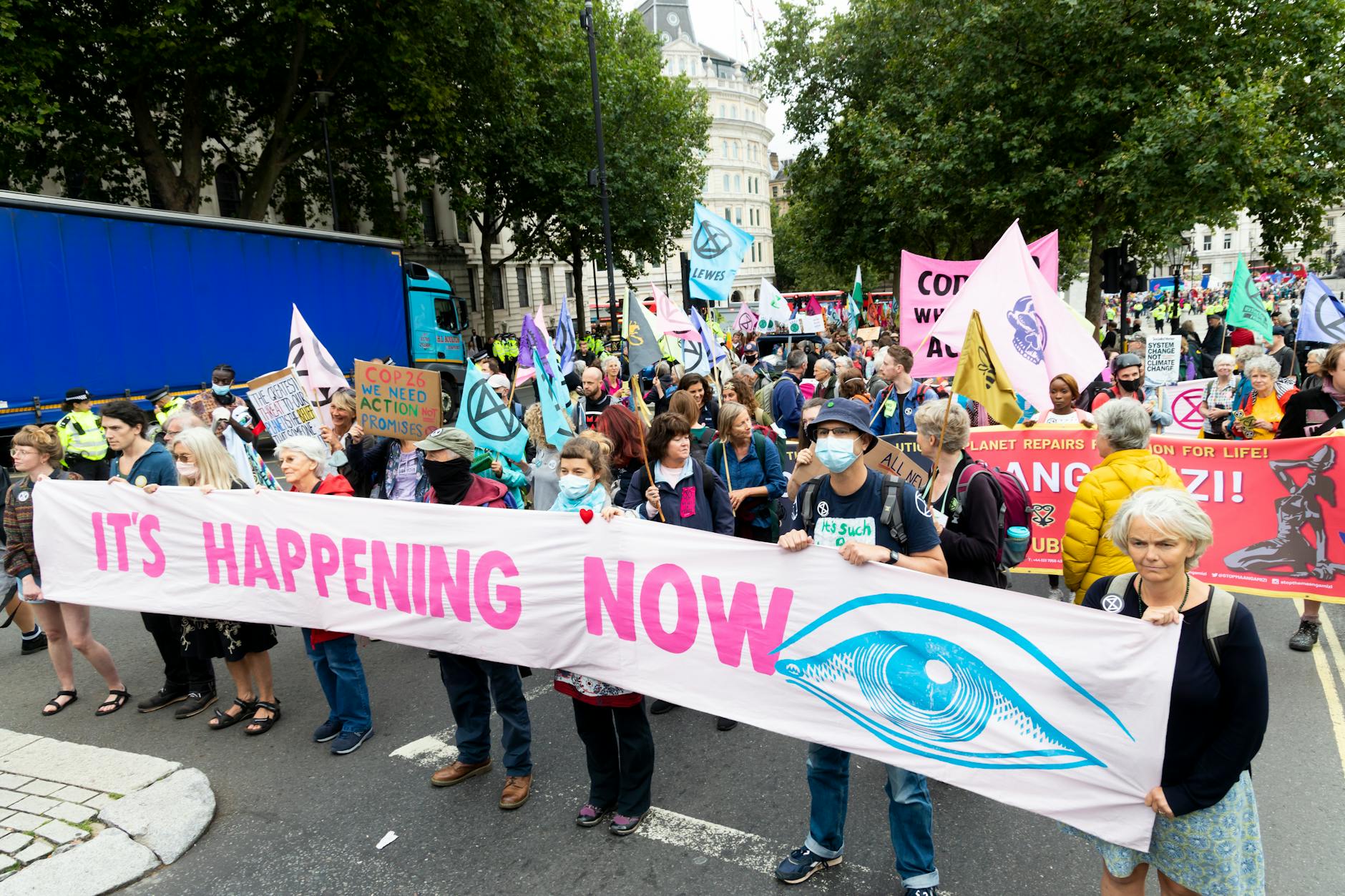
As climate change affects vulnerable populations disproportionately, the climate justice movement has emerged to highlight the intersection between environmental degradation and human rights. Activists argue that access to a healthy environment is a fundamental human right. This movement has seen significant youth engagement, with figures like Greta Thunberg leading global protests. The emphasis on environmental policies that consider social equity is transforming discussions about sustainability.
Indigenous Rights Movement
The Indigenous rights movement seeks to protect the rights and sovereignty of Indigenous populations around the globe. This movement has brought attention to issues such as land rights, cultural preservation, and self-determination. For instance, the United Nations Declaration on the Rights of Indigenous Peoples, adopted in 2007, embodies the aspirations of Indigenous communities for recognition and respect. Advocacy efforts have successfully halted projects infringing on Indigenous lands, showcasing the power of solidarity and activism.
Women’s Rights Movement
Advancing women’s rights remains a critical aspect of human rights discourse. From suffrage to reproductive rights, the Women’s Rights Movement has achieved significant milestones but also faces ongoing challenges. Organizations like UN Women leverage international platforms to advocate for gender equality, focusing on issues such as gender-based violence and economic empowerment. Data reveals that societies that prioritize gender equality benefit from higher economic growth and increased social stability.
Refugee Rights Movement
With millions displaced due to conflict, persecution, and climate change, the refugee rights movement emphasizes the protection and dignity of refugees and asylum seekers. Organizations like the UN Refugee Agency (UNHCR) play vital roles in advocating for humane treatment and resettlement options. Countries that embrace inclusive policies often see positive integration outcomes, while those that do not face humanitarian crises and social unrest.
LGBTQ+ Rights Movement
Spanning decades, the LGBTQ+ rights movement seeks equality and acceptance for individuals regardless of sexual orientation or gender identity. Landmark achievements, such as the legalization of same-sex marriage in numerous countries, reflect changing societal values. However, many LGBTQ+ individuals still face discrimination and violence. Activism continues to highlight the need for comprehensive legal protections and social acceptance.
Labor Rights Movement
The labor rights movement champions the rights of workers around the globe, advocating for fair wages, safe working conditions, and the right to organize. This movement is crucial in developing countries where exploitation and unsafe practices are prevalent. Recent statistics indicate that labor unions significantly impact wage growth and income equality, reflecting the movement’s importance in ensuring economic justice.
Anti-Death Penalty Movement
The anti-death penalty movement challenges the ethics and effectiveness of capital punishment, arguing that it violates the right to life and is often applied disproportionately. Advocacy efforts have led to the abolition of the death penalty in several countries. Studies suggest that regions without capital punishment experience lower homicide rates, reigniting debates on criminal justice reform and human rights.
Digital Rights Movement
As technology evolves, the digital rights movement addresses issues related to privacy, surveillance, and access to information. Advocates seek to protect individuals from government overreach and corporate data exploitation. The rise of movements advocating for net neutrality and data protection laws reflects the growing recognition that digital rights are fundamental to modern human rights.
In conclusion, global movements advocating for human rights are diverse and multifaceted. Each movement not only addresses specific injustices but also contributes to a broader understanding of rights as interconnected and universal. As these movements continue to evolve, they showcase the power of collective action in driving meaningful change worldwide.