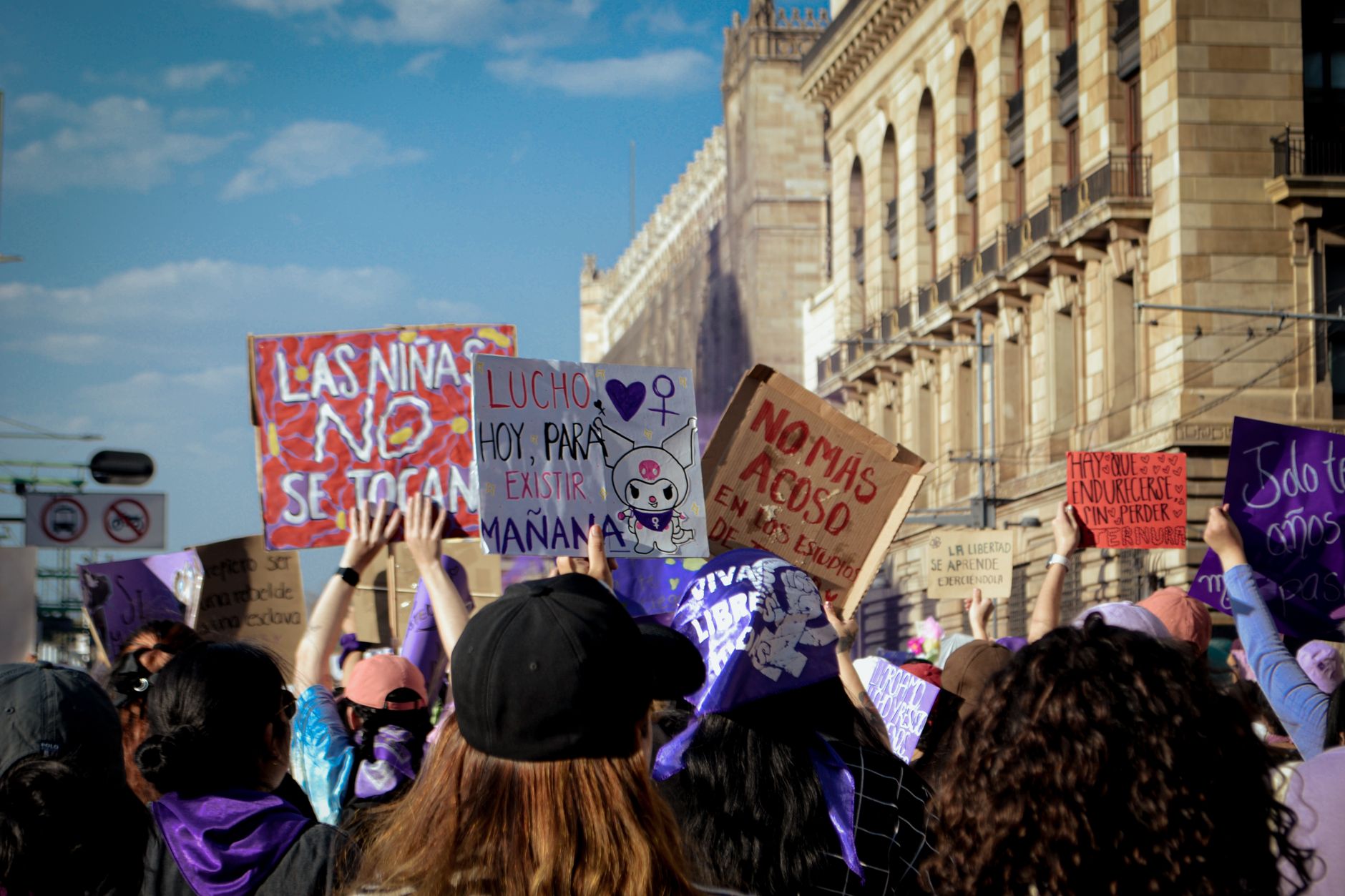
Human rights advocacy has become a crucial aspect of global discourse, with individuals and organizations fighting to protect and promote the dignity and rights of people across various contexts. As society becomes more interconnected, advocates must utilize effective strategies to impact change and raise awareness. Understanding the complexities of human rights issues is vital for anyone looking to engage in this field.
This article explores essential strategies that can empower advocates, equipping them with the knowledge to navigate challenges and maximize their effectiveness in promoting human rights.
Understanding the Landscape of Human Rights
To advocate effectively, it’s essential to grasp the landscape of human rights as defined by international law, such as the Universal Declaration of Human Rights. This document outlines fundamental rights applicable to all individuals, yet the interpretation and implementation of these rights can vary significantly across cultures and legal systems.
Familiarity with specific treaties and conventions, such as the Convention on the Elimination of All Forms of Discrimination Against Women and the Convention on the Rights of the Child, enables advocates to tailor their approaches based on the legal frameworks within their jurisdictions.
Building Strategic Coalitions
No one organization or individual can tackle human rights issues alone. Building coalitions with other groups-nonprofits, community organizations, and grassroots movements-amplifies voices and resources. Effective coalitions leverage diverse strengths and expertise, increasing credibility and influence.
For instance, the collaboration between Amnesty International and local activists in various countries has led to impactful campaigns that have garnered international attention. These partnerships help to ensure that advocacy efforts are rooted in local contexts while maintaining a global perspective.
Utilizing Digital Platforms for Advocacy
The rise of digital media has transformed the landscape of advocacy, allowing for the rapid dissemination of information and mobilization of support. Social media platforms, blogs, and websites are powerful tools that can raise awareness and foster community engagement.
Advocates can create compelling narratives through storytelling, showcasing the personal experiences of those affected by human rights abuses. Reports indicate that campaigns utilizing personal stories have a higher engagement rate, making them more effective in reaching wider audiences.
Educating and Empowering Communities
Education plays a pivotal role in human rights advocacy. Empowering communities through awareness programs helps individuals understand their rights and the mechanisms available to defend them. Workshops, seminars, and information sessions can demystify human rights laws and encourage proactive engagement from community members.
For example, initiatives like the Community Rights Education Program have demonstrated success by focusing on localized issues, fostering a sense of agency among participants, and encouraging them to become advocates within their communities.
Measuring Impact and Accountability
To ensure that advocacy efforts lead to tangible outcomes, it is essential to establish metrics for measuring impact. This could involve tracking changes in policy, the implementation of new laws, or increased awareness in communities. Consistent evaluation allows advocates to adjust strategies and continue to push for improvements.
Accountability is also critical in human rights work. Advocates must hold governments and institutions accountable for their obligations under international law. Campaigns that utilize data and evidence can highlight failures and push for necessary reforms.
In conclusion, effective human rights advocacy requires a thoughtful combination of understanding legal frameworks, building coalitions, leveraging digital platforms, educating communities, and measuring impact. With these strategies, advocates can make meaningful contributions to the protection and promotion of human rights globally.