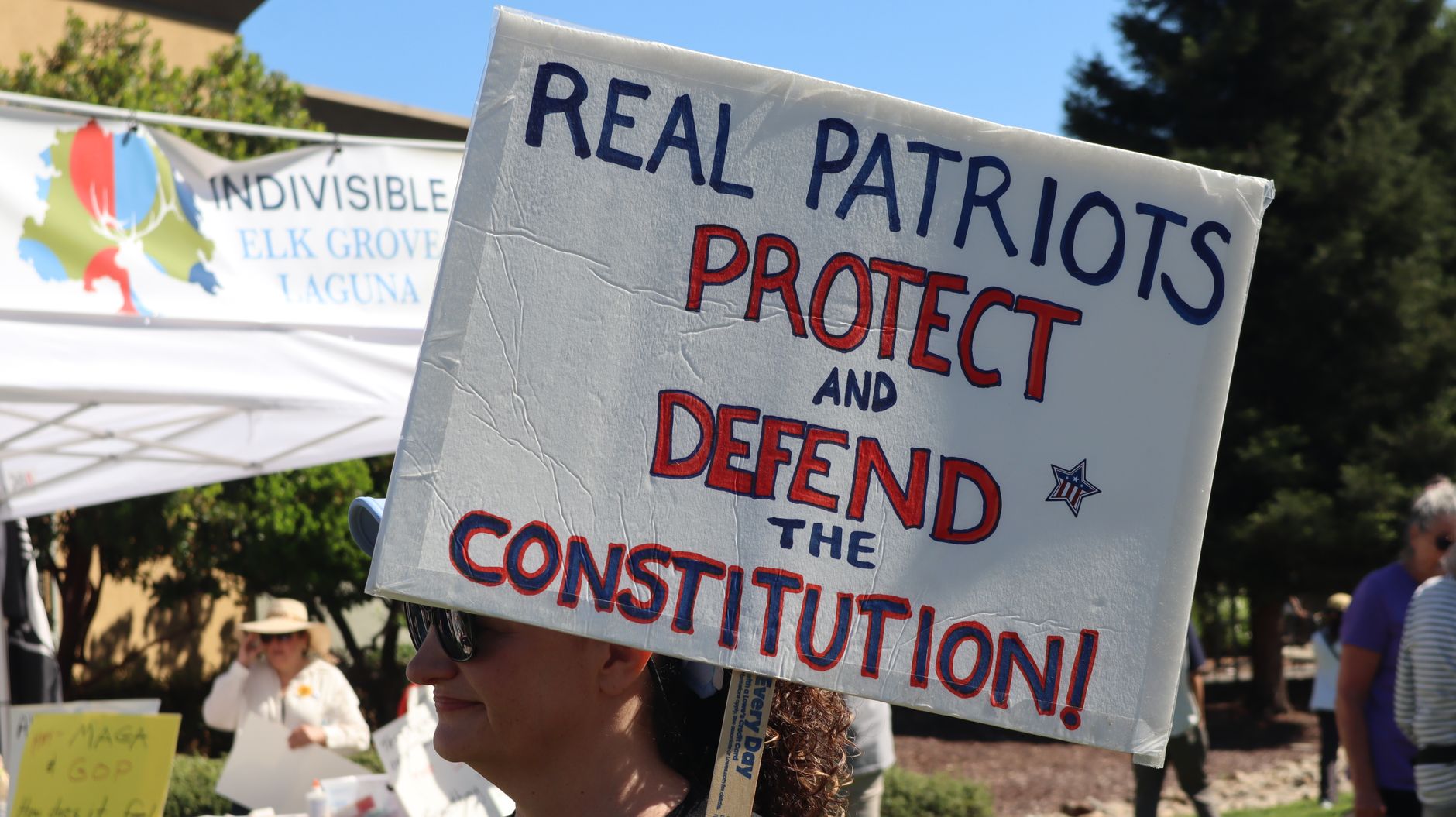
Freedom of expression is a fundamental human right that underlies democratic societies. It empowers individuals to share ideas, challenge norms, and hold authorities accountable. However, this freedom is often threatened by censorship, misinformation, and societal pressures. Understanding how to effectively protect and promote freedom of expression is crucial in today’s digital age.
This article explores ten essential strategies to safeguard this vital right, providing actionable insights for individuals, organizations, and policymakers.
Understand the Legal Framework
One of the first steps in protecting freedom of expression is to familiarize yourself with existing laws and international frameworks. For example, the Universal Declaration of Human Rights and regional treaties like the European Convention on Human Rights provide a legal foundation for free speech protections. By understanding these laws, individuals can better advocate for their rights and challenge violations.
Educate on Media Literacy
In an era rife with misinformation, fostering media literacy is paramount. By equipping individuals with the skills to critically analyze information sources, society can combat the spread of false narratives that often lead to the suppression of legitimate discourse. Programs aimed at teaching these skills can empower citizens to discern credible information and engage thoughtfully in public debates.
Promote Open Dialogue
Encouraging open dialogue within communities is essential for a robust environment of free speech. Creating spaces where diverse viewpoints can be expressed without fear of retaliation helps to normalize discourse. This can be facilitated through community forums, public debates, or workshops that emphasize respect and understanding among differing opinions.
Support Whistleblower Protections
Whistleblowers play a critical role in exposing misconduct and safeguarding accountability in both public and private sectors. Supporting laws that protect whistleblowers from retaliation is a vital aspect of promoting free expression. Organizations can create internal policies that encourage reporting while ensuring anonymity and protection for those who come forward.
Advocate for Digital Rights
As more communication occurs online, protecting digital rights becomes increasingly important. This includes fighting against government surveillance, advocating for net neutrality, and opposing restrictions on internet access. Organizations like the Electronic Frontier Foundation work tirelessly to champion these rights, making it essential to stay informed and support such initiatives.
Challenge Censorship
Censorship can come in many forms, from government intervention to corporate policies limiting content. Recognizing and challenging these actions is crucial. Individuals can organize campaigns, leverage social media to raise awareness, or file legal challenges against unjust censorship to promote freedom of expression.
Encourage Artistic Expression
Art has always been a powerful medium for expressing dissent and challenging the status quo. Supporting artists, musicians, and performers who push boundaries is vital for a vibrant culture of free speech. By funding artistic initiatives and creating platforms for diverse voices, society can expand the boundaries of acceptable discourse.
Utilize Technology for Advocacy
Technology can be both a tool for expression and a means of suppression. By leveraging social media, blogs, and podcasts, advocates can promote freedom of expression and raise awareness about violations. Using these platforms to amplify marginalized voices creates a more inclusive landscape for dialogue.
Collaborate with NGOs
Non-governmental organizations play a significant role in advocating for human rights, including freedom of expression. Partnering with these groups can enhance efforts to promote and protect free speech through campaigns, research, and public education. Their experience and resources can provide valuable support in navigating complex legal and social landscapes.
Monitor and Report Violations
A crucial strategy for protecting freedom of expression is to monitor, document, and report violations. Establishing clear channels for reporting abuses allows for collective action and raises awareness of the issues at stake. Data collected can be used to advocate for change at local, national, and international levels.
In conclusion, protecting freedom of expression requires a multifaceted approach that involves legal knowledge, community engagement, and advocacy. By implementing these strategies, individuals and organizations can contribute to a more open and tolerant society where diverse voices are heard and respected.