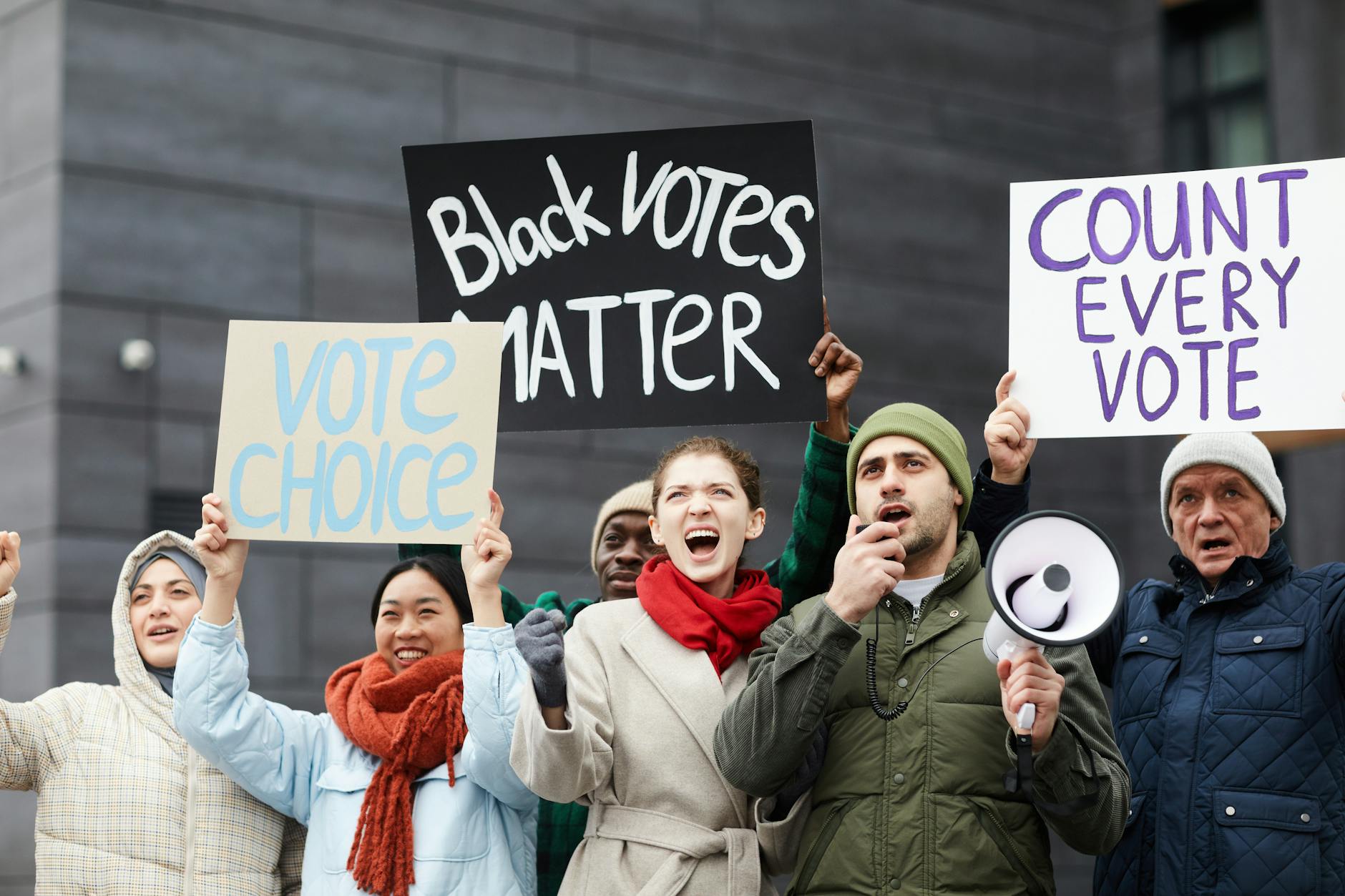
Civil society plays a pivotal role in shaping and fostering democratic change across the globe. It encompasses a vast array of non-governmental organizations, community groups, and grassroots movements that engage citizens in political processes, advocate for social justice, and hold authorities accountable. Understanding the dynamics of civil society and its impact on democracy is essential, especially in regions undergoing political transformation.
By mobilizing citizens, civil society can significantly influence policy reforms and governance. Historical examples abound; for instance, the role of civil society organizations in the Arab Spring highlighted how grassroots movements can challenge authoritarian regimes. In Tunisia, the National Dialogue Quartet, a coalition of civil society groups, facilitated dialogue between various political factions, leading to the nation’s democratic transition.
Mechanisms of Influence
Civil society influences democratic change through several mechanisms. Advocacy groups raise awareness about pressing societal issues, often using data and research to inform public opinion. For example, organizations like Transparency International combat corruption by promoting transparency and accountability in government. Their annual Corruption Perceptions Index serves as a vital tool for both civil society activists and policymakers, driving public discourse on integrity in governance.
Challenges Facing Civil Society
Despite its vital role, civil society faces numerous challenges. In many countries, repressive regimes attempt to stifle dissent by limiting the operations of NGOs and activists. For instance, Russia has enacted laws that hinder foreign funding for NGOs, aiming to control the narrative and suppress opposition. Moreover, misinformation and social media manipulation can undermine the credibility of civil society organizations, making it increasingly difficult for them to mobilize support.
Global Trends and Future Outlook
The rise of digital activism presents new opportunities and challenges for civil society. Social media platforms enable rapid mobilization and global solidarity; however, they also pose risks of fragmentation and echo chambers. Studies indicate that the use of social media for activism can lead to both increased engagement and polarization among citizen groups. Moving forward, it is crucial for civil society to adapt to these digital landscapes to maintain relevance and effectiveness.
Conclusion: The Path Forward
In conclusion, civil society is indispensable for democratic change, offering a platform for citizen engagement and advocacy. Its success depends on navigating the complexities of modern governance, adapting to challenges, and leveraging new technologies to foster inclusive participation. As we witness ongoing shifts in political landscapes worldwide, the resilience and innovation of civil society will undoubtedly shape the future of democratic governance.