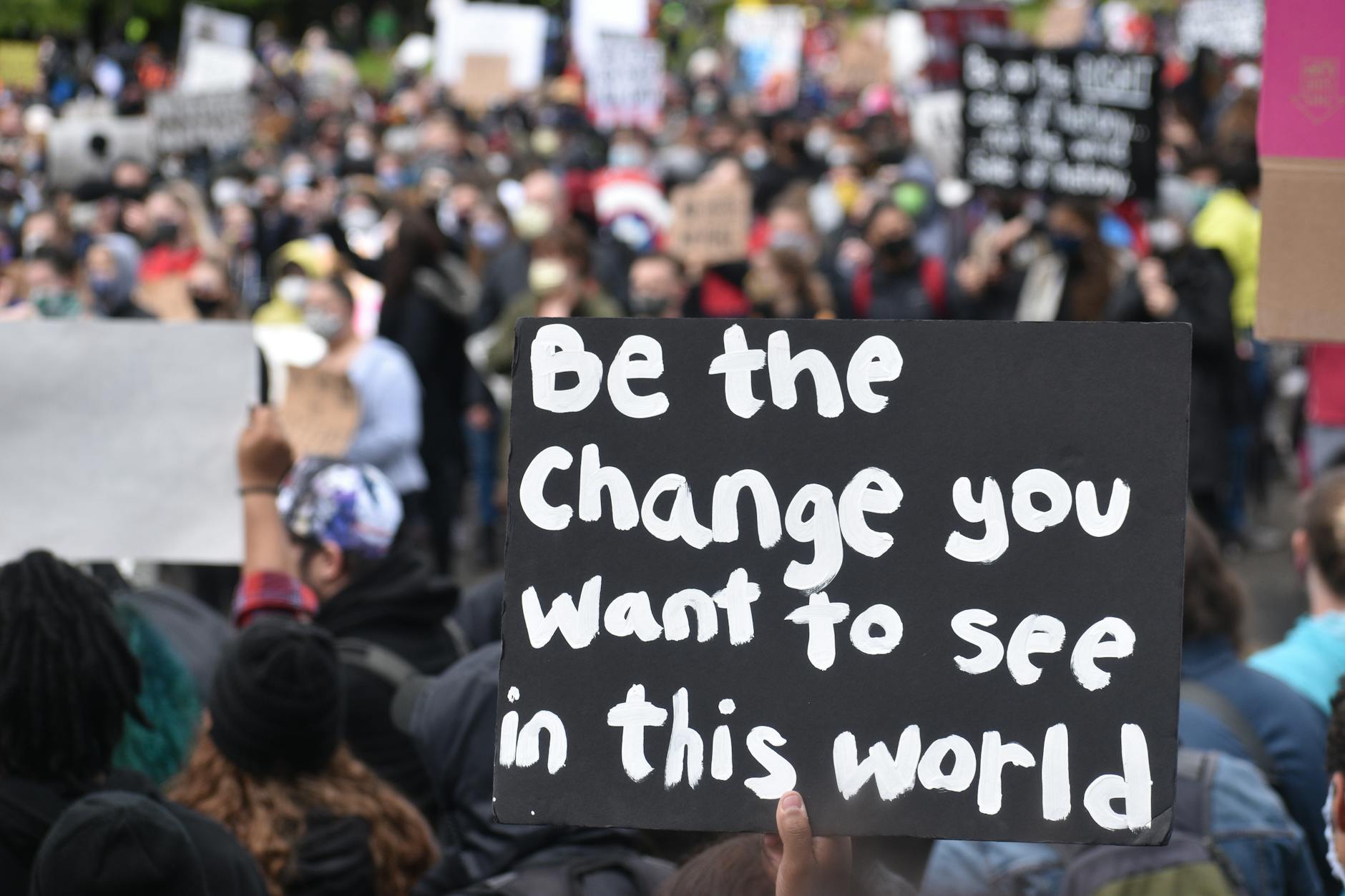
The intricate relationship between civil society and democratic change has drawn significant attention in political science and sociology. Civil society encompasses various organizations, movements, and networks that operate independently of the state and market, including NGOs, grassroots movements, and advocacy groups. Their role is not merely to support democracy but to actively shape its trajectory in profound ways.
Understanding how civil society contributes to democratic change offers valuable insights for scholars, activists, and policymakers aiming to foster more resilient and participatory political systems.
The Importance of Civil Society in Democracy
Civil society acts as a crucial counterbalance to state power, providing a platform for citizens to express their demands and grievances. Consider the case of the Arab Spring in 2011. Grassroots movements, often organized through social media, played a pivotal role in mobilizing citizens across Middle Eastern countries against authoritarian regimes, leading to significant political upheaval. This illustrates how civil society can catalyze democratic change by uniting diverse groups around shared goals.
<h2 Mechanisms of Influence
One of the primary mechanisms through which civil society influences democratic change is through advocacy and lobbying. Organizations such as Amnesty International or Transparency International engage in extensive campaigns to promote human rights and combat corruption. Their reports and public awareness initiatives can pressure governments to adopt reforms, demonstrating how informed citizenry can lead to policy changes.
<h2 Challenges Faced by Civil Society
Despite their potential, civil society organizations often encounter substantial challenges. In many countries, governments may view these organizations as threats to stability and dissent. For instance, in Russia, numerous NGOs have faced harassment, funding restrictions, and outright bans, significantly hampering their ability to operate. This repression not only weakens civil society but also stifles democratic processes by limiting public discourse.
<h2 Global Perspectives on Civil Society
A comparative perspective reveals varying roles of civil society across the globe. In countries like Brazil, civil society organizations have played a fundamental role in addressing social inequalities by advocating for policy changes in education and healthcare. In contrast, in regions with less democratic governance, like parts of Africa, civil society often operates under repressive conditions, limiting its effectiveness but still striving for change through resilience and innovation.
<h2The Future of Civil Society and Democracy
The future of civil society in promoting democratic change will depend largely on its ability to adapt to evolving political landscapes. The rise of digital technologies presents both opportunities and challenges. On one hand, social media can amplify voices and mobilize support; on the other hand, it can also spread misinformation and propaganda, complicating the civil society landscape. As such, fostering a robust civil society requires not only protective measures from state repression but also efforts to enhance digital literacy among citizens.
In summary, civil society’s role in democratic change is multifaceted and critical. Its ability to mobilize, advocate, and challenge state power can significantly influence the trajectory of democracy. As global political dynamics shift, understanding and supporting civil society will be essential for nurturing democratic resilience and promoting equitable governance.