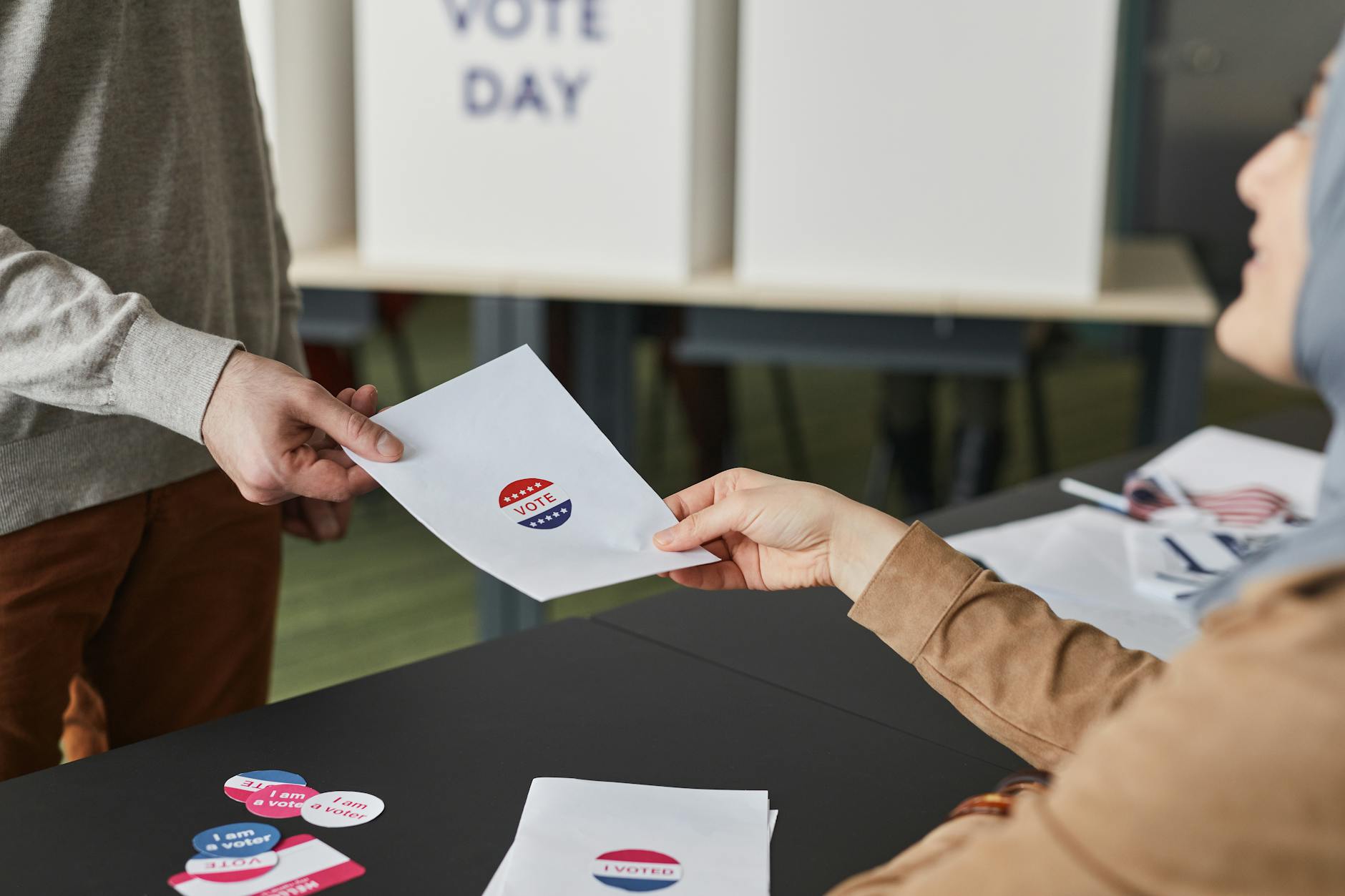
The relationship between democracy and civic participation is fundamental to the functioning of modern societies. Civic participation goes beyond merely voting during elections; it encompasses various forms of engagement that allow citizens to contribute to their communities and influence governmental policies. Understanding the nuances of civic participation is essential for a vibrant democracy.
Civic engagement can manifest in multiple ways, such as community organizing, volunteering, attending town hall meetings, or using social media to advocate for social change. Each of these activities plays a critical role in shaping public discourse and fostering a culture of accountability within the government.
The Importance of Civic Education
Civic education serves as the backbone of informed participation. Studies show that individuals who receive robust civic education are more likely to engage in community and political activities. For example, young people who participate in programs that teach them about their rights and responsibilities as citizens are more likely to vote when they reach voting age. A report by the Center for Information & Research on Civic Learning and Engagement highlights that civic education can increase voter turnout by up to 20 percent.
Diverse Forms of Participation
In today’s digital age, civic participation has evolved significantly. Online platforms enable citizens to voice their opinions and mobilize support for various causes. For instance, social media campaigns around issues such as climate change or racial justice have garnered millions of supporters, illustrating the power of digital activism. However, it is essential to recognize that online engagement must be complemented by offline actions to create meaningful change.
Barriers to Civic Participation
Despite the tools available for engagement, many barriers still hinder effective civic participation. These can include socioeconomic factors, such as lack of access to education or resources, as well as systemic issues like voter suppression and gerrymandering. For example, the Brennan Center for Justice reports that restrictive voting laws disproportionately affect marginalized communities, leading to lower participation rates in these groups.
The Role of Local Governments
Local governments play a crucial role in fostering civic participation. They can create inclusive environments that encourage residents to engage in decision-making processes. Initiatives such as participatory budgeting allow citizens to directly influence how public funds are allocated, thereby enhancing community trust and involvement in governance. Cities like New York and Paris have implemented such initiatives successfully, demonstrating the potential for local governance to engage citizens actively.
Conclusion
Ultimately, the health of any democracy is measured by the level of civic participation among its citizens. By fostering an informed and active populace, societies can ensure that their democratic values are upheld and that government actions reflect the will of the people. Continuous efforts are needed to dismantle barriers to participation and to promote civic education, ensuring that every individual has the opportunity to contribute to the democratic process.