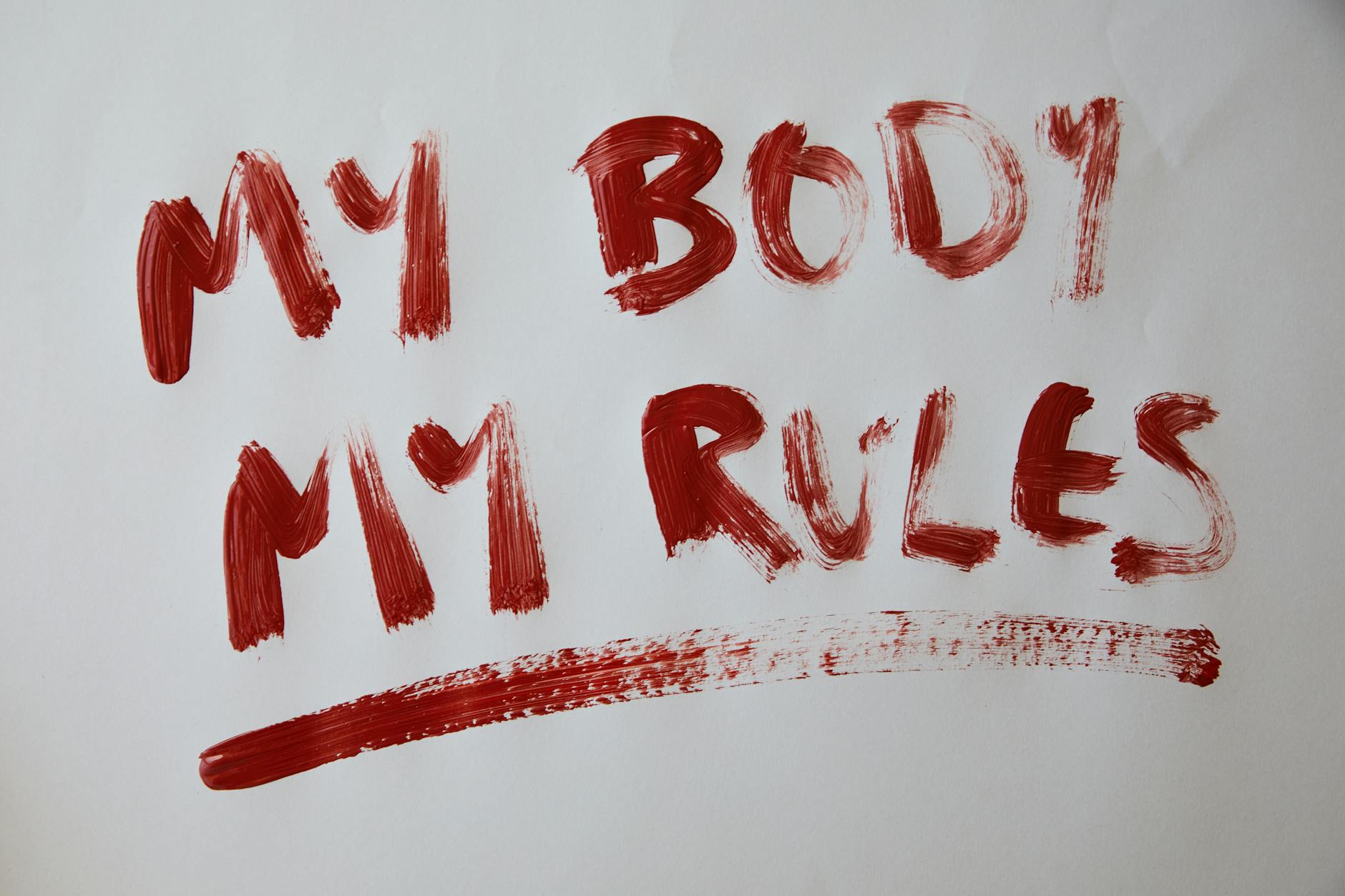
Freedom of expression serves as a cornerstone of democratic societies, allowing individuals to share ideas, criticize authorities, and advocate for change. However, in an era where misinformation and polarized opinions abound, protecting this fundamental right is more critical than ever. Understanding the various dimensions of freedom of expression can help individuals and organizations safeguard their voices against censorship and repression.
The concept extends beyond mere speech to include a range of expressions, such as art, written words, and digital communication. As such, various factors contribute to its protection and enhancement, including legal frameworks, education, and social awareness.
The Role of Legislation in Safeguarding Expression
Legal frameworks play a vital role in protecting freedom of expression. In democratic nations, constitutions typically guarantee this right, but the effectiveness of such protections can vary significantly. For instance, the First Amendment of the United States Constitution prohibits Congress from making laws that abridge the freedom of speech, a provision that has been interpreted broadly to shield diverse forms of expression.
However, not all countries enjoy the same level of protection. Authoritarian regimes often employ laws that ostensibly promote public order or national security to stifle dissent. For example, in countries like Turkey and China, vague regulations lead to the detention of journalists and activists, demonstrating the fragile state of expression when legal protections are misused.
Education as a Tool for Empowerment
Education plays a critical role in fostering a culture that values and protects freedom of expression. Teaching students about their rights and the significance of open dialogue encourages them to engage responsibly in discussions. Programs that incorporate media literacy help individuals critically evaluate information sources, reducing the spread of misinformation that can lead to public backlash against free speech.
Moreover, educational institutions themselves must uphold these values by creating environments where diverse opinions can be expressed without fear of retribution. This setting not only nurtures innovative thinking but also strengthens democratic principles.
Social Movements and Collective Action
Grassroots movements have historically been pivotal in advocating for freedom of expression. For instance, the #MeToo movement mobilized people globally to speak out against sexual harassment, challenging social norms and prompting legal reforms in various jurisdictions. Such movements underscore the power of collective voices to influence policy and societal attitudes.
Social media platforms have also emerged as vital tools for activism, allowing marginalized groups to share their experiences and mobilize support rapidly. However, these platforms can also present challenges, such as the risk of censorship or algorithmic bias, which may hinder the very expression they aim to protect.
International Collaborations and Standards
International bodies like the United Nations play a role in establishing standards for freedom of expression worldwide. Treaties and declarations, such as the International Covenant on Civil and Political Rights, obligate signatory states to respect and promote this right. Yet, the challenge remains in ensuring compliance and accountability, especially in countries with repressive regimes.
Advocacy groups often work alongside international organizations to monitor violations and hold governments accountable. Encouragingly, growing awareness regarding the importance of free expression is prompting more countries to engage in discussions about reforming their laws to align with international human rights standards.
Conclusion
Protecting freedom of expression requires a multifaceted approach that combines legal measures, education, activism, and international cooperation. By understanding and addressing the complexities surrounding this fundamental right, societies can create an environment where diverse voices are heard and valued, ultimately enriching democratic discourse and promoting social progress.