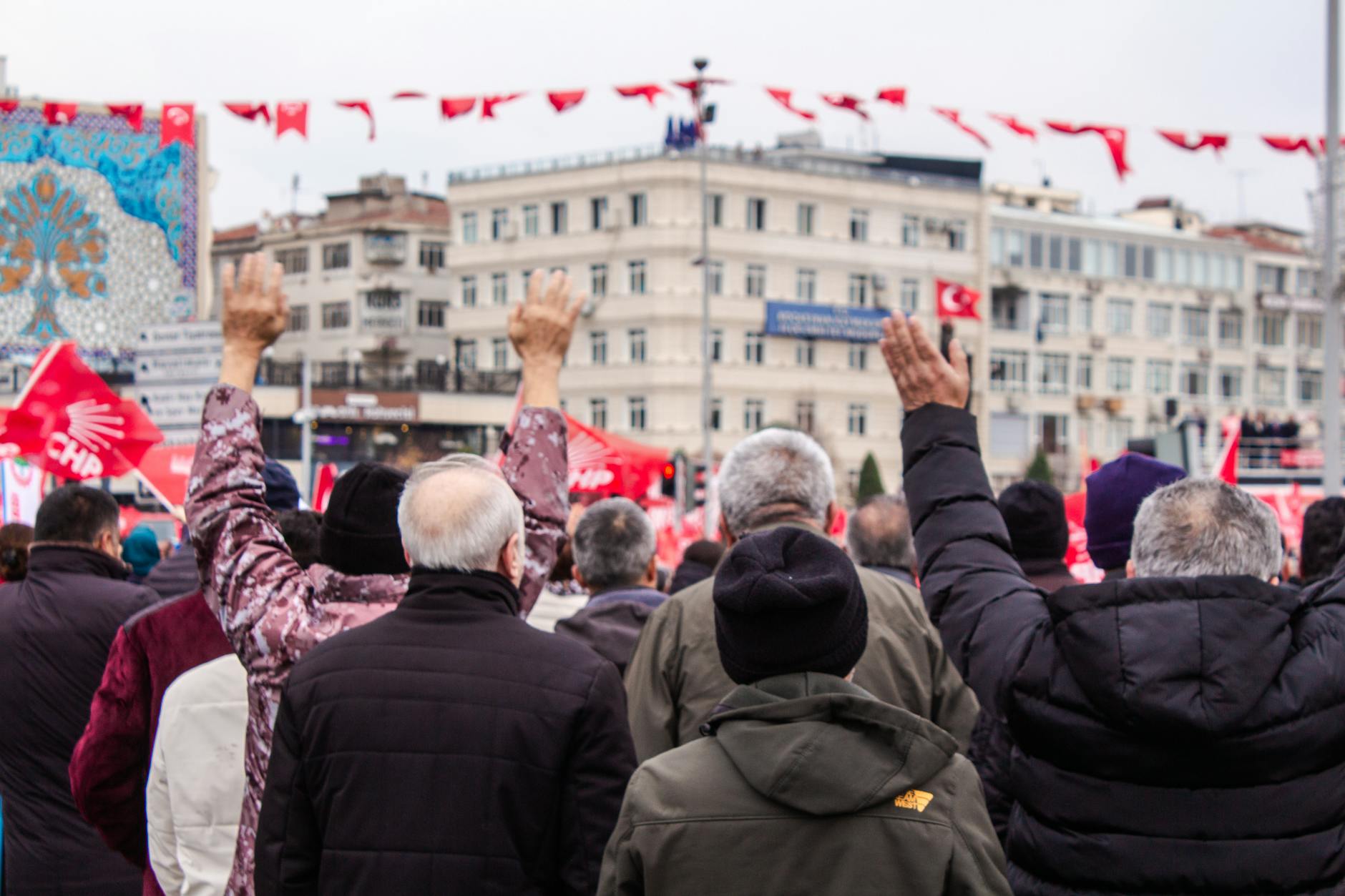
Citizens play a crucial role in the functioning of political systems, and their active participation is fundamental to a thriving democracy. Engagement can take many forms, from voting in elections to participating in community discussions and policy-making processes. However, fostering genuine participation requires understanding the barriers that often prevent citizens from becoming involved and leveraging effective strategies to overcome these obstacles.
One of the most significant challenges is the perception of disenfranchisement. Many citizens feel that their voices do not matter or that political processes are inaccessible. This is particularly true among marginalized communities, where historical injustices have created a mistrust of government institutions. Addressing these concerns through education and outreach is essential for building a more inclusive political landscape.
Understanding the Barriers to Participation
Barriers can be systemic, social, or psychological. For instance, systemic barriers might include complicated registration processes or restrictive voting laws, which disproportionately affect certain groups. Research from the Brennan Center for Justice indicates that in the United States, states that enacted stricter voter ID laws saw a decrease in turnout among minority voters by as much as 20%. Addressing these barriers requires advocacy for more accessible voting practices.
Promoting Civic Education
Civic education is a critical component in enhancing citizen participation. Schools and community organizations can play pivotal roles in teaching individuals about their rights and responsibilities within the political system. Programs that encourage critical thinking about local and national issues can empower citizens to engage actively. For instance, programs like the National Issues Forums promote deliberative dialogues, allowing citizens to discuss and prioritize local concerns collaboratively.
Utilizing Technology to Foster Engagement
In today’s digital age, technology can be a powerful tool for facilitating citizen engagement. Social media platforms, for example, have become pivotal in mobilizing communities and raising awareness about political issues. According to a Pew Research Center report, 69% of adults in the United States use social media, and many rely on these platforms for news and political information. Local governments can leverage these tools to communicate effectively, host virtual town halls, and solicit feedback on policy initiatives.
Real-World Examples of Successful Engagement
Several countries have implemented innovative strategies to enhance citizen participation. In participatory budgeting initiatives, such as those pioneered in Porto Alegre, Brazil, residents are given a direct say in how a portion of the municipal budget is spent. This model has been credited with increasing transparency and improving public trust in government. Similarly, in Finland, the government has embraced a model of co-creation with citizens in policy-making, allowing for ongoing dialogue between officials and the public.
Fostering a Culture of Participation
Ultimately, creating an environment where citizen participation is valued is essential for a healthy democracy. This involves not only reforming specific processes but also addressing the cultural attitudes towards civic engagement. Organizations must work to build trust and encourage ongoing dialogue between citizens and their representatives. By doing so, they can cultivate a political culture that values participation as a fundamental component of governance.