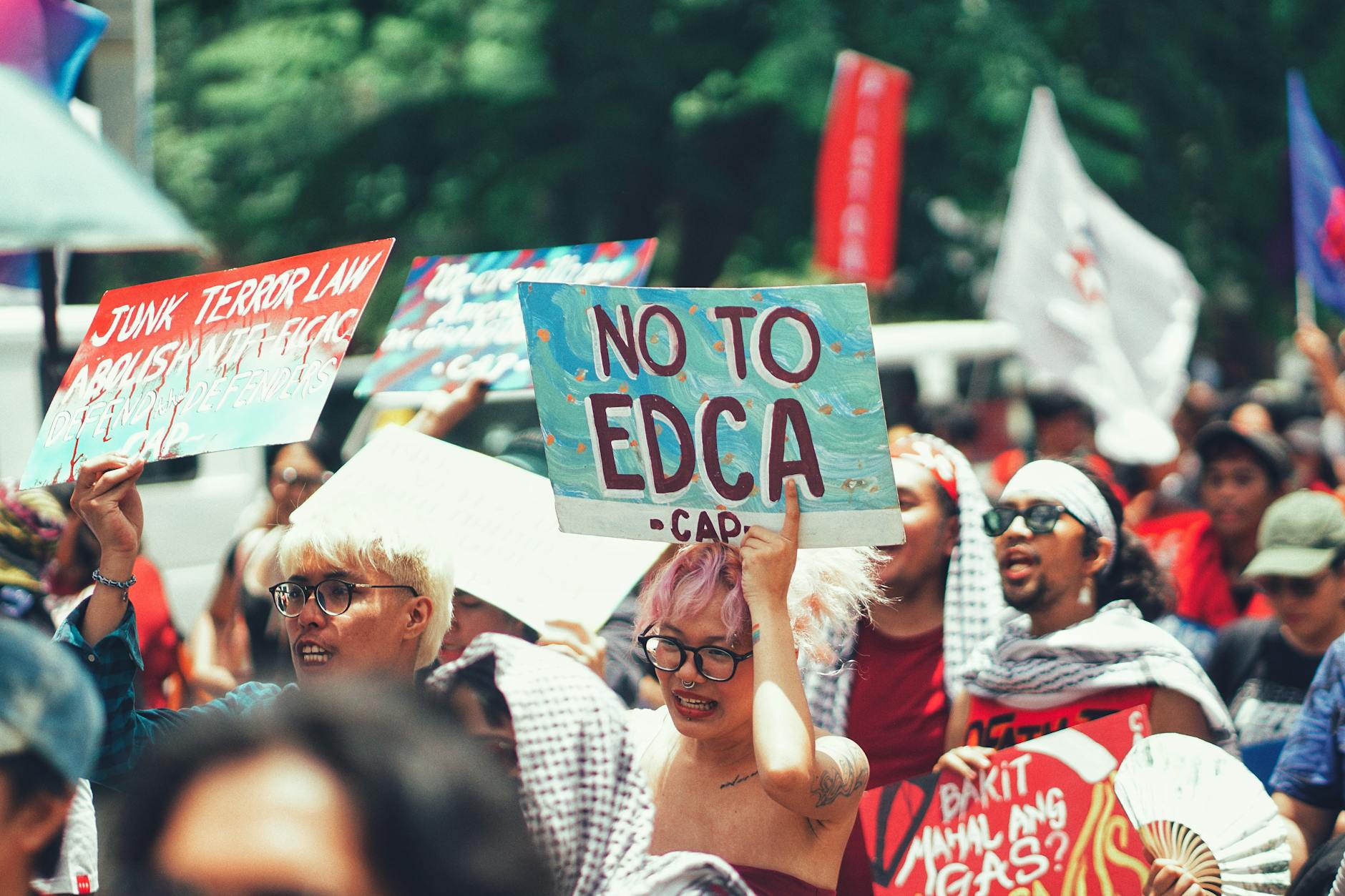
Civil society plays a vital role in shaping democratic change across the globe. It encompasses a wide array of organizations, from non-governmental organizations (NGOs) and community groups to social movements and labor unions. These entities not only advocate for policy changes but also engage citizens in meaningful dialogue. Understanding how civil society influences democratic transformation reveals the mechanisms through which ordinary people can impact governance and promote accountability.
Engagement in civil society often acts as a catalyst for political and social change. In many instances, grassroots initiatives have successfully mobilized communities to challenge oppressive regimes, demand transparency, and foster inclusive governance.
Mechanisms of Influence
Civil society organizations (CSOs) engage in various activities that support democratic change. One primary mechanism is advocacy. For instance, organizations like Amnesty International and Human Rights Watch have been instrumental in highlighting human rights abuses worldwide, pressuring governments to adhere to international laws. This advocacy not only raises awareness but also holds leaders accountable for their actions.
Promoting Political Participation
Another significant aspect is the promotion of political participation. Organizations such as the National Democratic Institute work to increase voter turnout and educate citizens about their rights. Evidence suggests that countries with active civil societies exhibit higher voter participation rates, leading to more representative governance. For example, in Tunisia following the Arab Spring, civil society played a crucial role in organizing electoral processes, which helped establish a more democratic framework.
Fostering Civic Education
Civic education is another cornerstone of civil society’s impact. By fostering an informed citizenry, organizations can empower individuals to engage critically with political processes. In places like Brazil, programs aimed at enhancing civic understanding have resulted in greater public engagement and advocacy for social justice issues. This education builds a foundation for democratic values, encouraging citizens to not only vote but also hold their leaders accountable.
Countering Authoritarianism
In many cases, civil society acts as a counterbalance to authoritarianism. Historically, movements led by civil society, such as the Solidarity movement in Poland, were pivotal in challenging oppressive regimes. These movements united diverse groups under a common cause, demonstrating that collective action can dismantle entrenched power structures.
Facilitating Dialogue and Reconciliation
Civil society also plays a crucial role in promoting dialogue and reconciliation in post-conflict societies. In countries like South Africa, organizations such as the Truth and Reconciliation Commission facilitated discussions that brought together conflicting parties, fostering a culture of peace and understanding. This kind of dialogue is essential for rebuilding trust among citizens and ensuring sustained democratic governance.
Challenges and Limitations
Despite its importance, civil society faces numerous challenges. In many regions, authoritarian regimes actively suppress civil organizations, viewing them as threats to their power. According to the 2021 Freedom House report, restrictive laws and persecution of activists have increased in several countries, limiting the ability of civil society to operate effectively. This highlights the necessity of international support and solidarity to protect these crucial entities.
Conclusion
The relationship between civil society and democratic change is complex and multifaceted. It is evident that civil society is essential for fostering democratic values, encouraging political participation, and advocating for accountability. As global dynamics continue to evolve, the resilience and adaptability of civil society will remain crucial in promoting democratic transformation.