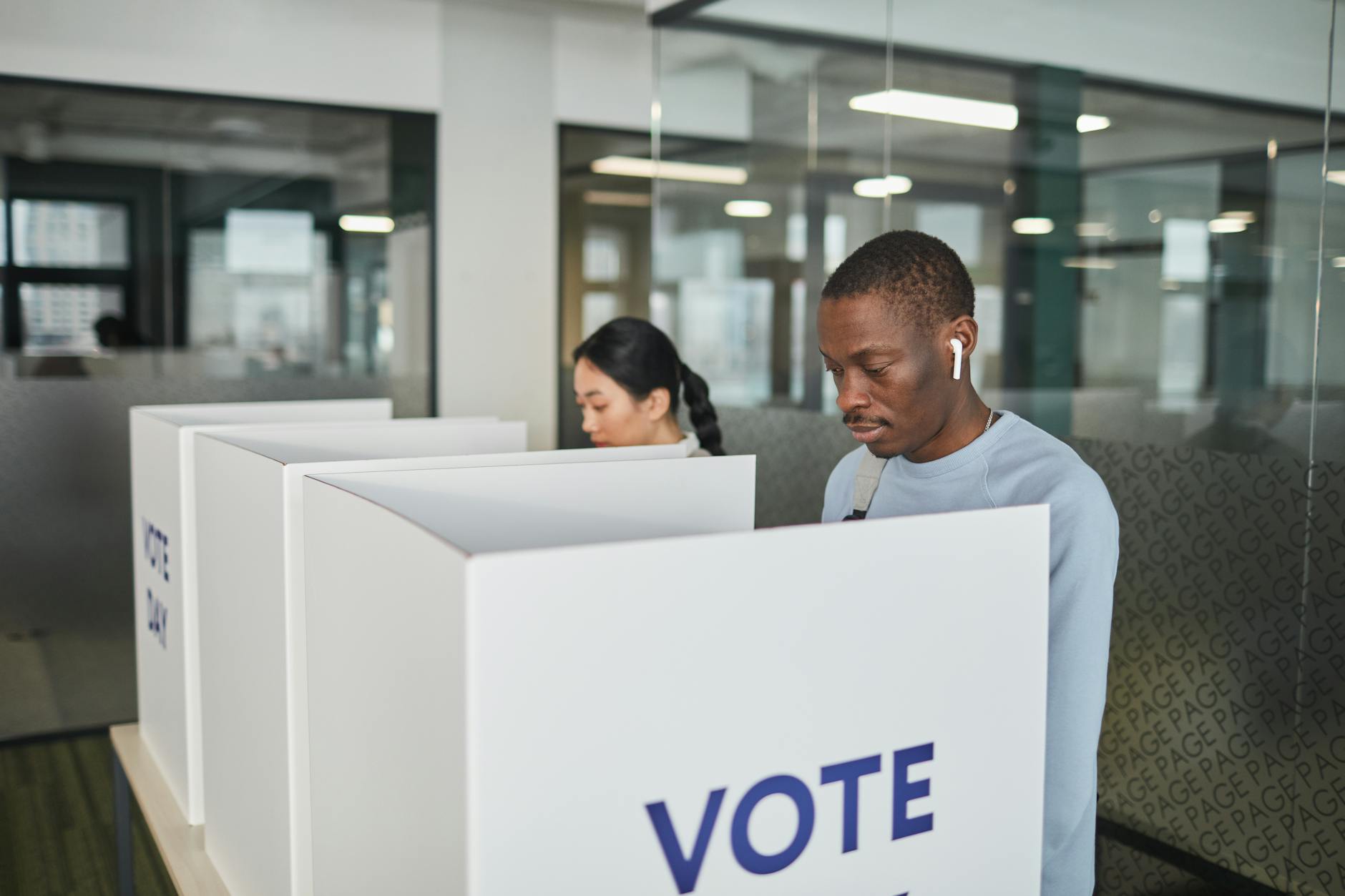
Democracy thrives on the active engagement of its citizens. Civic participation is not merely a right but a responsibility that empowers individuals, fosters community, and enhances governance. Understanding the nuances of civic involvement can illuminate how democracy functions in practice and how individuals can make a meaningful impact.
From voting to community organizing, civic participation is multifaceted and essential for the health of democratic systems. Engaging in these activities not only influences policy but also cultivates a sense of belonging and accountability among citizens.
The Importance of Voting
Voting is perhaps the most recognized form of civic participation. According to the U.S. Census Bureau, approximately 66.7% of eligible voters participated in the 2020 presidential election, the highest turnout in over a century. High voter turnout reflects a healthy democracy, where citizens feel their voices matter. However, misconceptions abound-many believe their individual vote has little impact, which can dissuade participation. In reality, local elections can be decided by a remarkably small number of votes.
Community Engagement and Local Governance
Civic participation extends beyond the ballot box. Engaging in local governance through town hall meetings or city councils allows citizens to voice concerns and influence decisions directly affecting their communities. Research by the National Civic League indicates that communities with higher levels of civic engagement tend to have better public services and more responsive local governments.
The Role of Grassroots Movements
Grassroots movements are another vital aspect of civic participation. These movements often arise from collective issues impacting a community, such as environmental concerns or social justice. The Black Lives Matter movement is a pertinent example, having mobilized millions worldwide to advocate for systemic change. Such movements exemplify how organized civic action can influence public policy and shift societal norms.
Barriers to Participation
Despite its importance, barriers to civic participation persist. These barriers may include socio-economic factors, lack of education about the political process, and systemic inequities that disproportionately affect marginalized communities. For instance, the Brennan Center for Justice reported that some states have implemented restrictive voting laws that can disenfranchise voters. Addressing these barriers is crucial for ensuring that democracy is truly representative.
The Digital Age and Civic Participation
The rise of technology has transformed how citizens engage with democracy. Social media platforms serve as powerful tools for organizing and raising awareness, as seen during the 2016 and 2020 U.S. elections. However, the digital divide highlights the disparities in access to technology, which can limit participation for certain demographics. Understanding how to leverage technology for civic engagement while ensuring inclusivity is essential for modern democracies.
Education as a Tool for Civic Engagement
Education plays a critical role in fostering civic participation. Programs that teach students about their democratic rights and responsibilities encourage lifelong engagement. The Center for Information and Research on Civic Learning and Engagement found that students who participate in service-learning projects are more likely to vote and engage in other forms of civic activity as adults.
Conclusion: Fostering a Culture of Participation
Ultimately, a thriving democracy relies on active citizen engagement. By understanding the importance of various forms of civic participation, addressing barriers, and leveraging technology and education, individuals can help foster a culture where democracy is not just a system of governance but a living, breathing entity that reflects the will of the people.