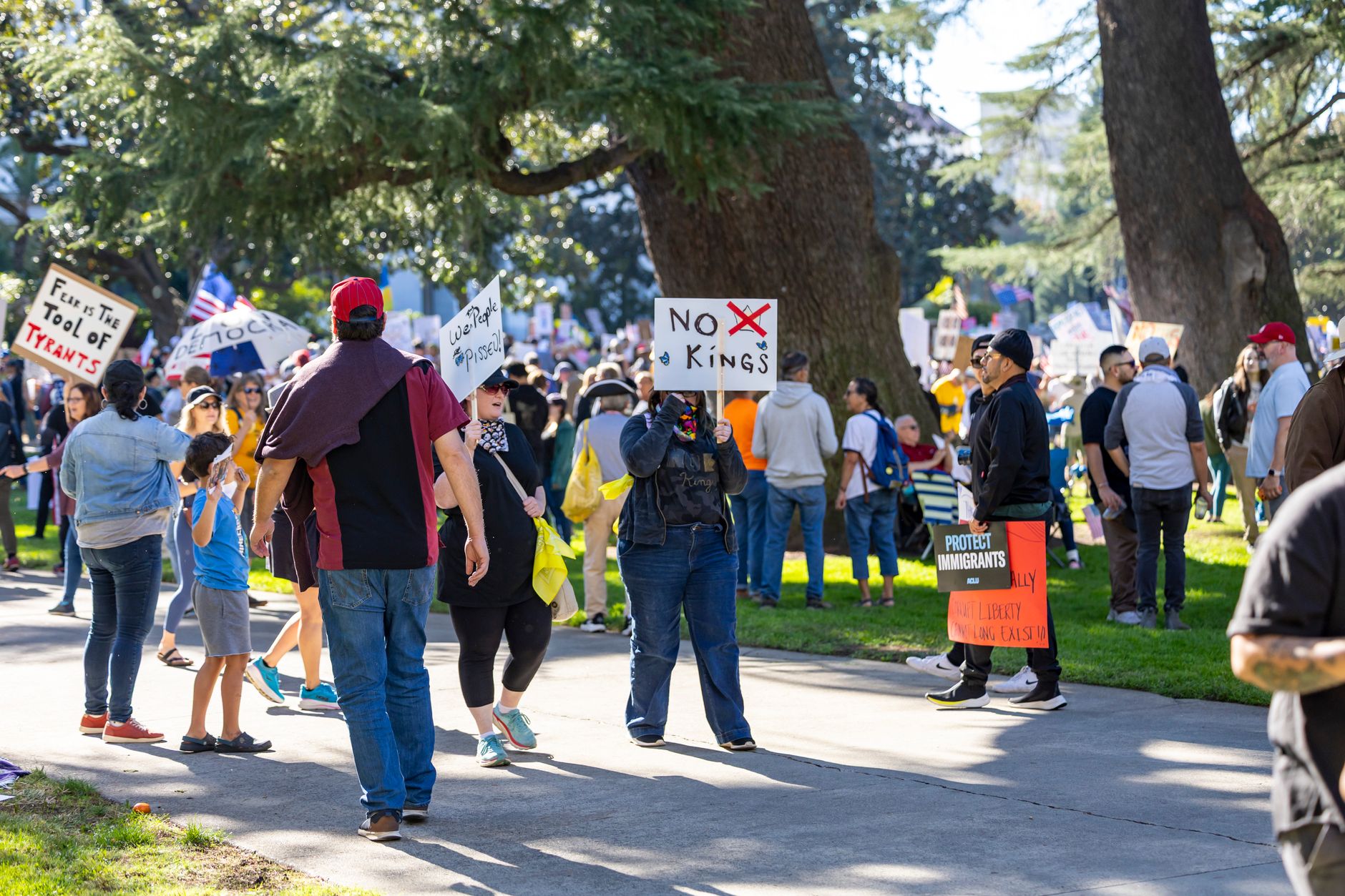
Freedom of expression is a fundamental human right that underpins democratic societies. It allows individuals to voice their opinions, share information, and engage in public discourse without fear of retaliation or censorship. However, this freedom faces numerous challenges, ranging from governmental restrictions to social media censorship. To ensure that freedom of expression remains intact, it is crucial to employ effective strategies that address these challenges while promoting a culture of open dialogue.
Understanding the significance of protecting this freedom is essential. According to the United Nations, freedom of expression is not only a right but also a catalyst for other human rights, fostering political participation and social change. Therefore, the commitment to safeguarding this right must be unwavering.
Legal Frameworks Supporting Freedom of Expression
To protect freedom of expression, robust legal frameworks are necessary. Countries must enact laws that not only guarantee this right but also provide recourse for individuals whose freedoms have been violated. For instance, Article 19 of the International Covenant on Civil and Political Rights outlines the right to hold opinions without interference and the freedom to seek, receive, and impart information. Strengthening domestic laws in accordance with international standards can offer individuals significant protection against censorship and repression.
Advocacy and Awareness Campaigns
Grassroots advocacy plays a crucial role in promoting freedom of expression. Organizations like the American Civil Liberties Union (ACLU) and Amnesty International run campaigns to raise awareness about violations of this right and mobilize public opinion against censorship. By educating citizens about their rights and the importance of free expression, these campaigns empower individuals to speak out against injustices they may encounter. Such awareness can lead to increased pressure on governments and institutions to uphold freedom of expression.
The Role of Technology in Protecting Expression
In the digital age, technology serves as a double-edged sword in the fight for freedom of expression. While social media platforms and blogs provide a voice to the voiceless, they can also be used as tools for censorship. Technology companies must implement transparent policies that protect users’ rights to free expression. Initiatives such as end-to-end encryption ensure user privacy and safeguard against unwarranted surveillance, allowing individuals to communicate freely without fear of reprisal.
Creating Safe Spaces for Dialogue
Finally, fostering safe spaces for dialogue is vital in protecting freedom of expression. This could be through community forums, educational institutions, or online platforms where people can engage in discussions without the risk of harassment or intimidation. By promoting respectful and inclusive conversations, society can cultivate an environment where diverse opinions are valued and heard, thus reinforcing the principle of free expression.
In conclusion, protecting freedom of expression requires a multifaceted approach that includes strong legal frameworks, advocacy, responsible use of technology, and the creation of safe dialogue spaces. These strategies not only safeguard individual rights but also uphold democratic values, ensuring that all voices can contribute to the marketplace of ideas.