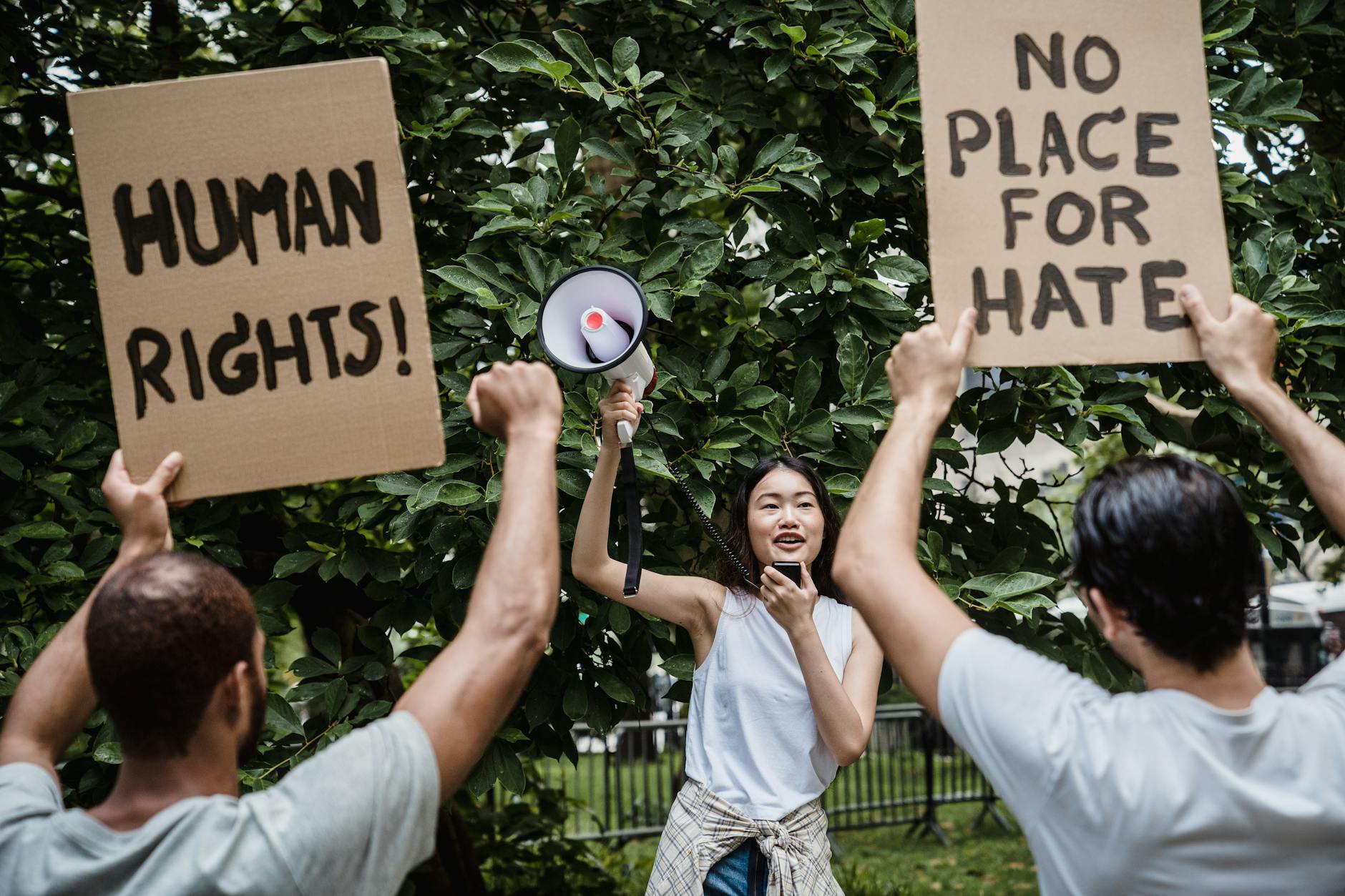
Human rights have been a cornerstone of social justice and global peace for centuries, but in today’s interconnected world, the fight for these rights has taken on new forms and urgency. Global movements advocating for human rights vary significantly in their focus, scale, and impact. Understanding these movements not only provides insight into the current state of human rights but also highlights the collective actions that drive societal change.
From grassroots initiatives to international coalitions, the diversity of strategies employed reflects a rich tapestry of human resilience and determination. In this article, we explore some of the most significant global movements fighting for human rights, alongside their methodologies and impacts.
The Role of International Organizations
International organizations such as the United Nations play a pivotal role in advancing human rights on a global scale. The Universal Declaration of Human Rights, adopted in 1948, set a foundational standard for measuring human rights progress worldwide. Organizations like Amnesty International and Human Rights Watch monitor violations, advocate for victims, and mobilize public opinion.
For instance, Amnesty International has documented extensive torture practices in various countries, leading to international outcry and pressure for reforms. Their campaigns often engage millions through social media, driving awareness and action against human rights violations.
Grassroots Movements and Local Initiatives
While international organizations are crucial, many impactful movements originate at the grassroots level. Movements like Black Lives Matter have highlighted systemic racism and police brutality, sparking global protests and discussions on racial equality. Founded in 2013, this movement has not only affected policy changes in the U.S. but has inspired similar protests worldwide.
Additionally, environmental rights movements, such as those led by Indigenous communities, emphasize the intrinsic link between environmental conservation and human rights. These groups advocate for the protection of land and resources, often at great personal risk, as seen in the resistance against deforestation in the Amazon.
The Intersectionality of Human Rights Movements
Today’s human rights movements often intersect with various social justice issues, reflecting a holistic approach to advocacy. For example, the feminist movements addressing gender equality also tackle issues such as reproductive rights and domestic violence. The #MeToo movement, which gained significant traction in 2017, has revealed the pervasive nature of sexual harassment and assault, pushing for legislative changes and cultural shifts.
This intersectionality emphasizes how human rights issues are interconnected. Discrimination based on gender, race, or sexual orientation often overlaps, requiring a multifaceted approach in advocacy and policy-making.
Technology and the Future of Human Rights Advocacy
In the digital age, technology has transformed how human rights activists operate. Social media platforms enable rapid dissemination of information, mobilizing support and engagement like never before. The Arab Spring, for instance, showcased how social media can drive political change by organizing protests and sharing real-time information about human rights abuses.
However, this reliance on technology also presents challenges, including misinformation and digital surveillance. Activists must navigate these hurdles while utilizing technology to amplify their messages and reach broader audiences.
Conclusion
The landscape of human rights advocacy is continually evolving, influenced by a myriad of social, political, and technological factors. Understanding these movements and their complexities is vital for anyone interested in the ongoing struggle for human rights globally. As activists continue to adapt and innovate, the fight for equality and justice remains a collective endeavor that transcends borders.