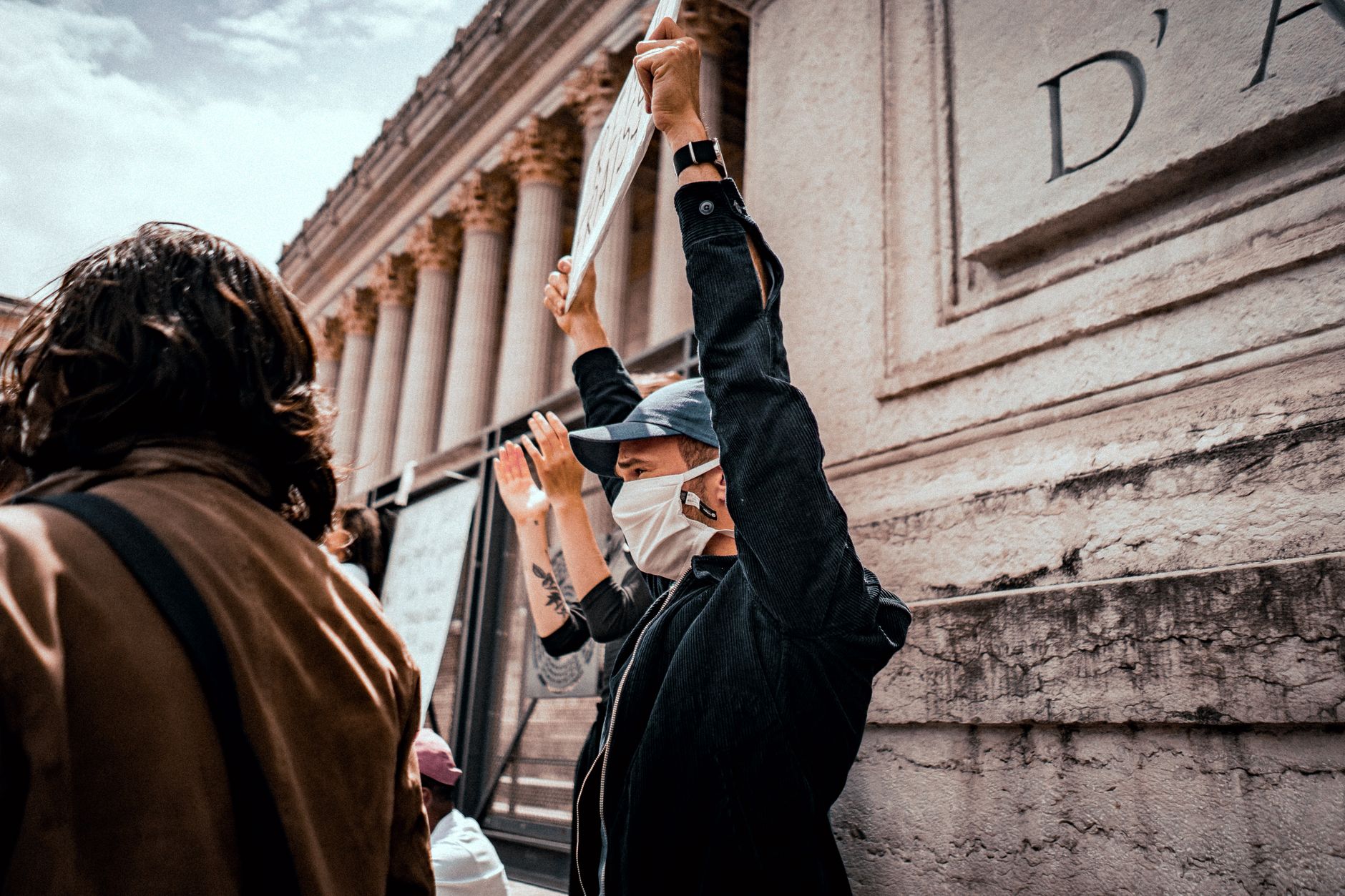
Civil society plays a crucial role in shaping democratic change, acting as a bridge between the government and the citizens. It encompasses a wide range of organizations, including non-governmental organizations, community groups, and advocacy networks. Understanding how civil society influences democratic processes is essential for grasping the dynamics of modern governance.
This article explores key ways in which civil society contributes to democratic change, highlighting real-world examples and insights that illustrate its significance.
Mobilization of Public Opinion
One of the primary functions of civil society is to mobilize citizens to express their opinions and advocate for change. For instance, during the Arab Spring, grassroots organizations like the April 6 Youth Movement in Egypt used social media to rally support for democratic reforms. Their efforts exemplified how civil society can amplify public voices, pressuring governments to respond to citizens’ needs.
Promoting Civic Education
Civil society organizations often engage in civic education initiatives to raise awareness about rights and responsibilities in a democracy. Programs that educate citizens about their voting rights and the importance of participation can significantly increase electoral turnout. For example, the League of Women Voters in the United States conducts non-partisan educational campaigns to inform voters, which has been shown to increase civic engagement.
Advocacy for Human Rights
Human rights advocacy is another critical area where civil society impacts democratic change. Organizations like Amnesty International and Human Rights Watch not only monitor human rights violations but also hold governments accountable. Their reports and campaigns can lead to international pressure, forcing governments to adhere to democratic principles and human rights standards.
Building Trust and Social Capital
Civil society contributes to the formation of social capital by fostering trust among citizens. Trust in institutions is vital for democratic governance. Research indicates that communities with strong civil societies tend to have higher levels of public trust, which facilitates cooperative behavior and participation in democratic processes.
Facilitating Dialogue and Mediation
In many conflict-prone regions, civil society organizations act as mediators between disputing parties, fostering dialogue that can lead to peaceful resolutions. For instance, the role of civil society in countries like South Africa during its transition from apartheid was pivotal. Organizations facilitated dialogues that helped bridge divides among various ethnic and political groups, promoting a peaceful democratic transition.
Challenging Corruption
Corruption is a significant impediment to democracy, undermining public trust and governance. Civil society organizations are often at the forefront of anti-corruption initiatives, advocating for transparency and accountability. For example, Transparency International has played a crucial role in exposing corrupt practices globally, promoting reforms that strengthen democratic institutions.
Supporting Sustainable Development
Finally, civil society contributes to democratic change by advocating for social and economic policies that promote equity and sustainable development. Organizations working on poverty alleviation, environmental protection, and education reform often push for policies that are vital for a functioning democracy. Their efforts can lead to governmental accountability and better service delivery, which are foundational for democratic governance.