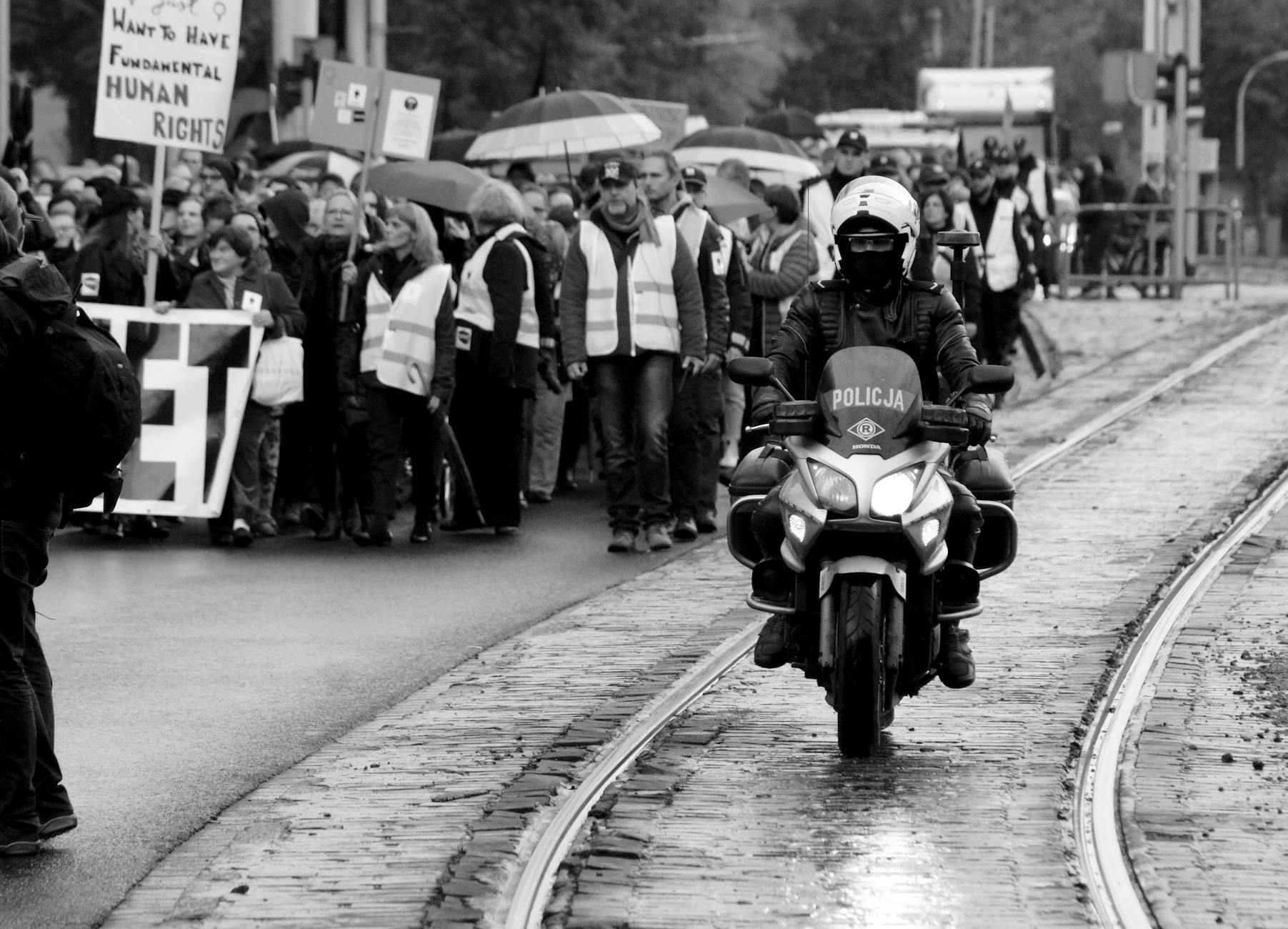
Human rights movements have evolved significantly over the decades, addressing various injustices and advocating for marginalized groups worldwide. These movements are not only pivotal in shaping policies but also in cultivating social change. This article explores ten influential global movements that are currently making strides toward enhancing human rights across different spheres.
From anti-racism efforts to reproductive rights advocacy, the diversity of these movements highlights the complex landscape of human rights in modern society.
Black Lives Matter
Founded in 2013, the Black Lives Matter movement arose in response to systemic racism and police brutality against African Americans. It gained global prominence in 2020, with protests erupting worldwide following the killing of George Floyd. The movement emphasizes the need for policy reforms, including changes in law enforcement practices and addressing systemic inequalities. According to a 2021 survey by Pew Research, about 67% of Americans believe that the movement has played a crucial role in raising awareness about racial injustice.
Me Too Movement
The Me Too movement, initiated by Tarana Burke and later amplified by celebrities in 2017, seeks to combat sexual harassment and assault. It has sparked a global conversation about consent and workplace ethics. The movement has led to tangible changes in many industries, pushing for legal reforms regarding sexual misconduct. Statistics from the Equal Employment Opportunity Commission indicate a significant increase in harassment claims following the movement’s rise, as more individuals felt empowered to speak out.
Climate Justice Movement
Climate change disproportionately affects marginalized communities, making the climate justice movement a crucial aspect of human rights advocacy. Groups such as Fridays for Future, inspired by activist Greta Thunberg, advocate for policies that address climate change while ensuring equity for those most affected. Research from the World Bank indicates that climate change could push over 100 million people into extreme poverty by 2030, emphasizing the urgency of integrating human rights into environmental policy.
Women’s Rights Movement
The fight for women’s rights has gained momentum worldwide, addressing issues such as gender-based violence, reproductive rights, and economic inequality. Organizations like UN Women work to promote gender equality through legislative reform and advocacy. According to a 2020 report by the United Nations, approximately 1 in 3 women globally have experienced physical or sexual violence, highlighting the ongoing challenges faced by women.
Indigenous Rights Movements
Indigenous rights movements advocate for the recognition and protection of the rights of Indigenous peoples. These movements often focus on land rights, cultural preservation, and self-determination. The UN Declaration on the Rights of Indigenous Peoples, adopted in 2007, serves as a framework for these efforts. Indigenous activism has gained traction, with examples like the Standing Rock protests against the Dakota Access Pipeline spotlighting issues of environmental degradation and Indigenous sovereignty.
LGBTQ+ Rights Movement
The LGBTQ+ rights movement works to secure equality and protections for LGBTQ+ individuals. This movement has made significant progress in many countries, achieving milestones such as marriage equality and anti-discrimination laws. However, challenges remain, especially in regions where LGBTQ+ individuals face criminalization. According to a report by ILGA, over 70 countries still criminalize same-sex relationships, underscoring the need for continued advocacy.
Refugee Rights Movements
As global displacement reaches unprecedented levels, refugee rights movements advocate for the rights and protection of displaced persons. Organizations like the UNHCR work to ensure that refugees receive asylum and are treated with dignity. The Global Trends Report 2022 indicated that over 89 million people were forcibly displaced worldwide, highlighting the urgent need for coordinated efforts to protect their rights.
Anti-Death Penalty Movement
This movement seeks to abolish the death penalty worldwide, arguing that it constitutes a violation of human rights. Groups like Amnesty International advocate for its abolition, citing the risk of wrongful executions and lack of equitable legal representation. As of 2021, more than 20 countries have fully abolished the death penalty, reflecting a growing trend toward recognizing its inhumanity.
Human Trafficking Awareness
Human trafficking is a grave violation of human rights affecting millions globally. Movements dedicated to ending trafficking work on prevention, victim support, and policy reform. According to the International Labour Organization, an estimated 40.3 million people are victims of modern slavery, with ongoing efforts to combat this issue gaining prominence in recent years.
Disability Rights Movement
The disability rights movement advocates for equal access and inclusion for individuals with disabilities. This movement has led to the enactment of laws such as the Americans with Disabilities Act, promoting accessibility in public spaces and workplaces. Research shows that individuals with disabilities face higher rates of unemployment and discrimination, emphasizing the importance of advocacy in achieving equity.
In conclusion, these global movements for human rights underscore the interconnectedness of various social justice issues. By understanding and supporting these movements, society can work towards a future where human dignity is upheld for all individuals, regardless of their background or circumstances.