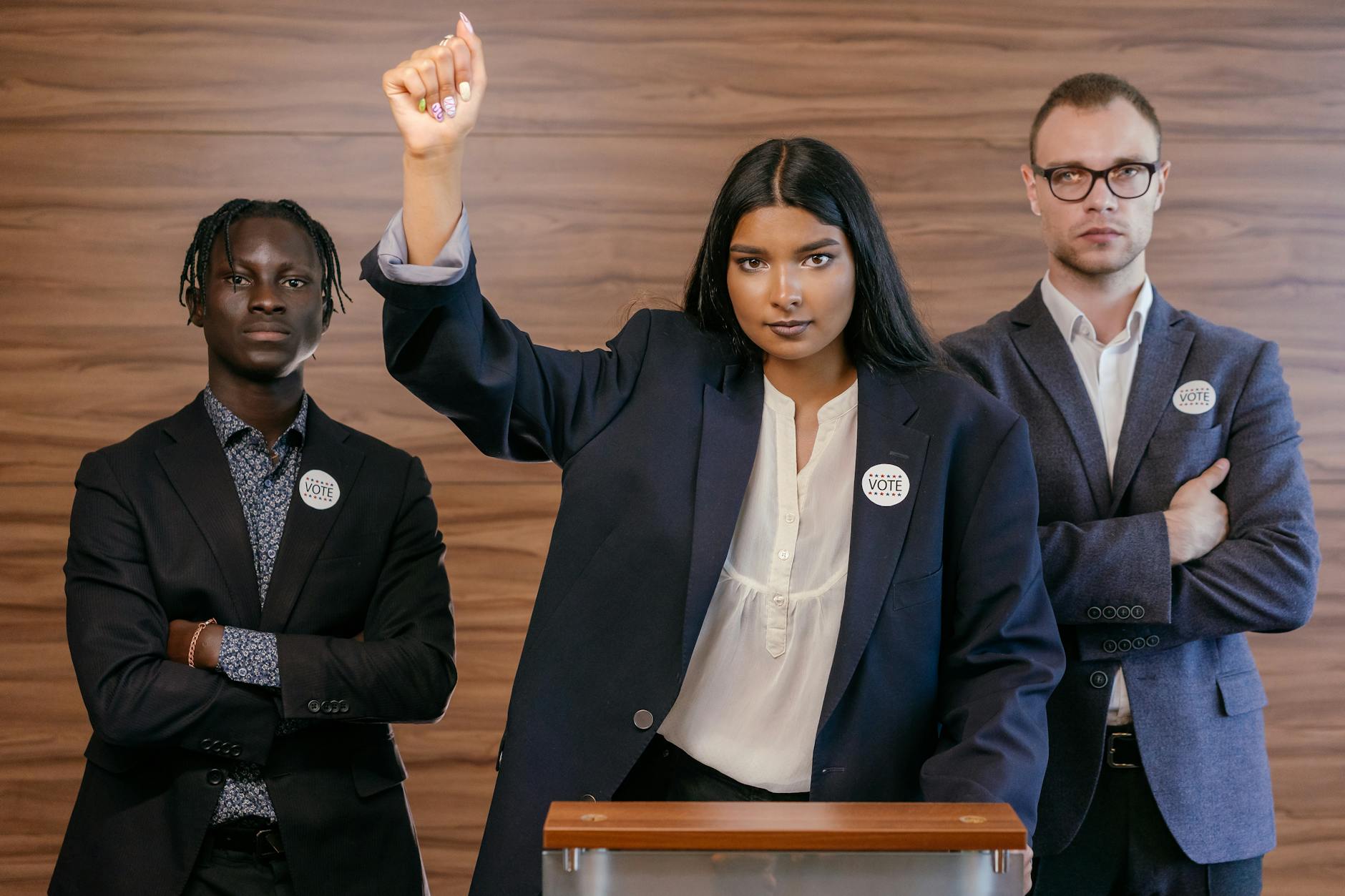
The role of youth in shaping democratic values has become increasingly significant in recent years. As the world becomes more interconnected, the voices of young individuals are essential in driving change, advocating for social justice, and influencing policy decisions. Understanding how to empower youth leadership in a democratic context can lead to a more engaged, informed, and proactive generation.
Studies have shown that young people are among the most active demographics in movements for social change. For instance, youth played a pivotal role in the global climate strikes, demanding action on climate change from political leaders. This movement highlights not only their passion but also their capacity to mobilize and advocate for important issues, making it clear that youth leadership is a cornerstone of effective democratic participation.
The Importance of Youth Leadership in Democracy
Youth leadership is vital for ensuring that the perspectives and needs of younger generations are considered in democratic processes. According to a 2020 report by the United Nations, over 1.8 billion people aged 15 to 29 are living in the world today, representing about 23 percent of the global population. Their involvement in leadership not only enhances the democratic fabric but enriches discussions with fresh ideas and innovative solutions.
Challenges Faced by Young Leaders
Despite their enthusiasm and potential, young leaders often face significant challenges. A major hurdle is the lack of access to platforms that allow them to express their views and influence decision-making. Moreover, systemic barriers such as ageism and limited political experience can deter youth from entering leadership roles. Research indicates that mentorship can bridge this gap, enabling young individuals to gain the skills and confidence needed to lead effectively.
Strategies to Foster Youth Leadership
Several strategies can be implemented to cultivate youth leadership in democratic societies. First, providing educational programs focused on civic engagement and leadership skills can prepare young individuals to take on these roles. For instance, initiatives like youth councils or leadership programs in schools can offer practical experience. Additionally, incorporating technology and social media into these programs can help amplify their voices and connect them with broader movements.
Real-World Examples of Successful Youth Leaders
Examples of effective youth leadership abound. Take Malala Yousafzai, who has become a global advocate for girls’ education following her courageous stand against oppressive regimes. Her story illustrates how young people can effect change on a monumental scale. Similarly, Swedish activist Greta Thunberg has galvanized millions globally to address climate issues, showcasing the power of youth in advocating for policy change.
The Future of Youth Leadership in Democracy
As we look to the future, the potential for youth to influence democracy remains immense. By fostering environments that encourage participation, providing resources, and valuing their perspectives, societies can ensure that youth leadership becomes a fundamental aspect of democratic processes. This shift not only benefits young leaders themselves but also enriches the democratic landscape as a whole, paving the way for a more inclusive and equitable society.