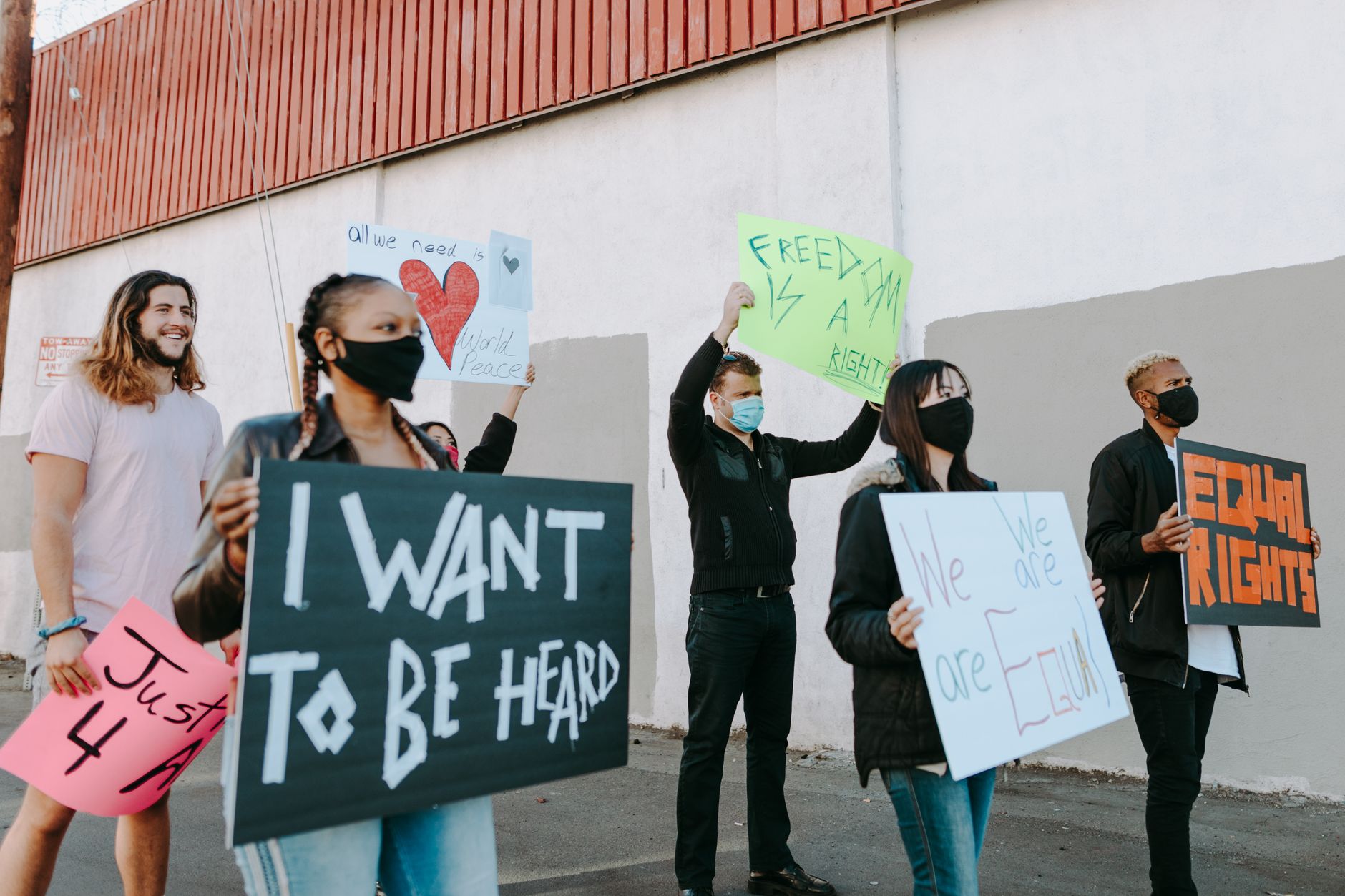
Freedom of expression is a cornerstone of democratic societies, enabling individuals to voice their opinions, share ideas, and engage in open dialogue. In a world where information flows rapidly, the protection of this fundamental right is more crucial than ever. The emergence of digital platforms has not only amplified diverse voices but also raised significant challenges regarding censorship, misinformation, and hate speech.
The delicate balance between safeguarding free speech and maintaining public order requires nuanced understanding and careful consideration. Historical contexts provide insights into how far societies have come in recognizing this right, as well as the continuous struggles faced in protecting it.
The Role of Legal Frameworks in Protecting Expression
Legal frameworks play a pivotal role in safeguarding freedom of expression. International agreements, such as the Universal Declaration of Human Rights, affirm that everyone has the right to freedom of opinion and expression. However, each nation interprets and implements these rights within its own legal context. For instance, while the United States adheres to the First Amendment, which offers broad protections, many countries have more restrictive laws that can limit expression under the guise of protecting national security or public morality.
The Impact of Technology on Free Speech
Digital technology has revolutionized how expression is shared and consumed. Social media platforms empower individuals to disseminate their thoughts with unprecedented reach. However, this power comes with challenges. The rise of misinformation and the role of algorithms in curating content raise ethical questions about the responsibilities of tech companies. For instance, the Cambridge Analytica scandal highlighted how personal data can be exploited to manipulate public opinion, thus undermining the integrity of free expression.
Censorship and Its Consequences
Censorship remains a persistent threat to freedom of expression around the globe. In authoritarian regimes, government entities often suppress dissenting voices through intimidation or legal repercussions. A poignant example is China’s Great Firewall, which restricts access to foreign media and censors domestic content. Such measures not only violate individual rights but also stifle innovation and hamper societal progress.
Promoting a Culture of Open Dialogue
Fostering a culture that values diverse opinions is essential for protecting freedom of expression. Educational initiatives that encourage critical thinking and respectful debate can empower individuals to engage meaningfully in discussions, fostering resilience against extreme viewpoints. Moreover, promoting media literacy helps individuals discern credible information from misinformation, strengthening the fabric of public discourse.
In summary, the significance of protecting freedom of expression cannot be overstated. It is essential for democratic governance, societal progress, and individual dignity. As challenges evolve with the digital age, sustained efforts are needed to safeguard this fundamental right while promoting a culture of understanding and respect for diverse perspectives.