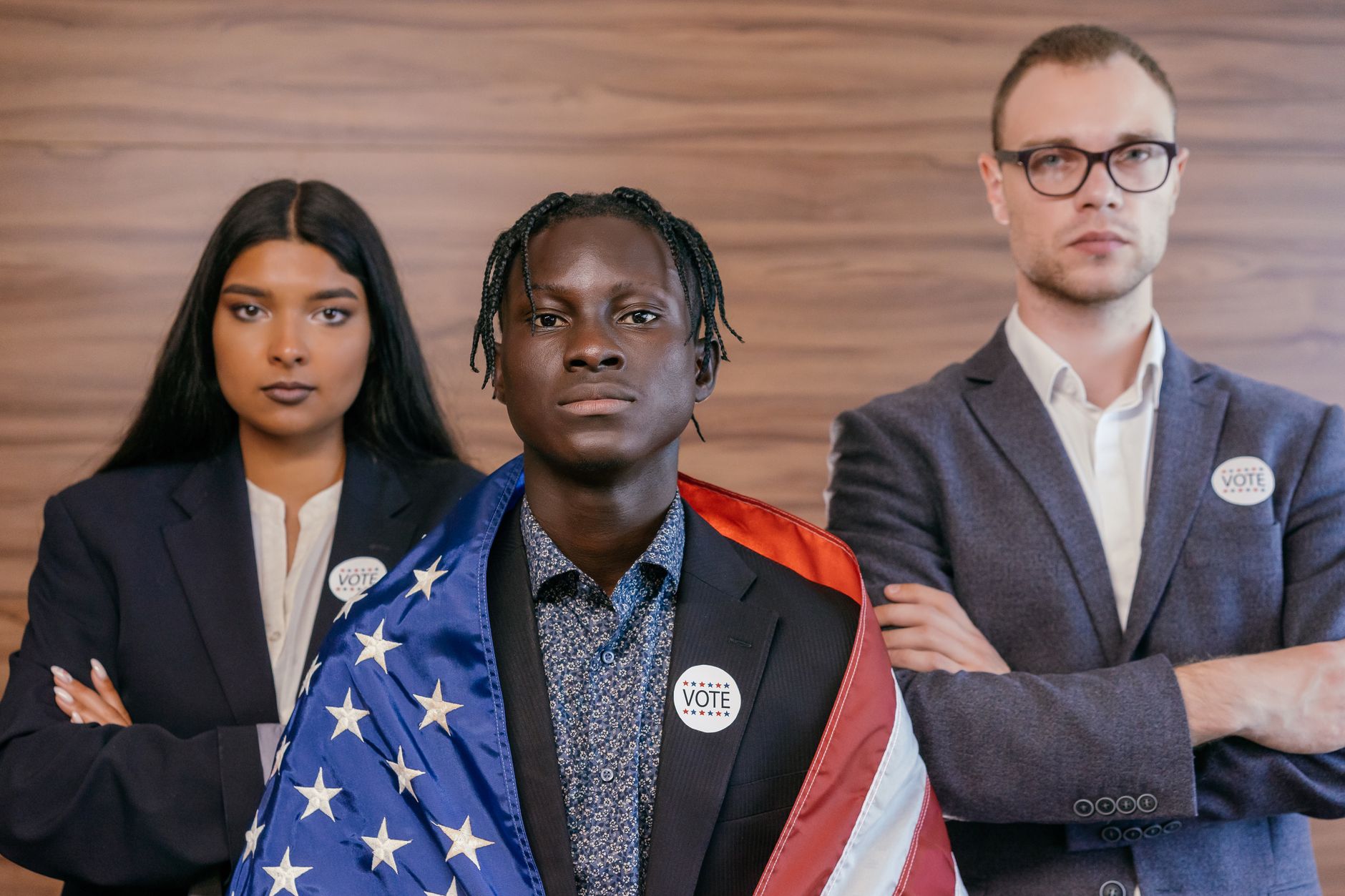
Youth leadership is a critical element in shaping the future of democracy. As the demographic landscape shifts, young people are increasingly taking up roles that influence both local and global governance. Their engagement not only rejuvenates political discourse but also infuses new ideas and energy into the democratic process.
Understanding the implications of youth leadership requires a deep dive into the characteristics that define this group. With access to technology and social media, young leaders are uniquely positioned to mobilize peers, advocate for change, and challenge traditional power structures.
The Importance of Youth Engagement in Democracy
Engaging young individuals in democratic processes fosters a sense of ownership and responsibility towards societal issues. According to a 2020 study by the International Institute for Democracy and Electoral Assistance, countries with higher youth engagement in politics tend to exhibit stronger democratic resilience. This is largely because young leaders can effectively articulate the concerns of their generation, which often include climate change, social justice, and economic inequality.
Barriers to Youth Leadership
Despite their potential, several barriers hinder youth participation in leadership roles. A common misconception is that young individuals lack the experience necessary for effective leadership. However, experience does not always equate to capability. Many young leaders demonstrate exceptional skills through grassroots movements, volunteering, and local governance initiatives. Additionally, systemic barriers such as lack of access to education and resources further limit their capacity to influence. Addressing these barriers involves creating platforms where youth voices can be heard and respected.
Successful Examples of Youth Leaders
Examples of effective youth leadership abound worldwide. Malala Yousafzai, who became an international symbol for girls’ education rights, showcases how young voices can lead to significant changes in policy and public perception. Similarly, the Sunrise Movement in the United States exemplifies how youth-led organizations can drive the conversation around climate policy and mobilize mass movements. These leaders illustrate the transformative power of youth in democracy.
The Role of Education in Fostering Leadership
Education systems play a crucial role in nurturing future leaders. Incorporating civic education into curricula can empower students with the knowledge and skills required to engage in democratic processes. Programs that emphasize critical thinking and encourage debate can equip young people to navigate complex political landscapes. Additionally, mentorship programs linking experienced leaders with youth can bridge the gap between generations and facilitate knowledge transfer.
Conclusion: Building a Democratic Future
To develop a robust democratic future, it is imperative to cultivate youth leadership. By providing support, resources, and opportunities for engagement, societies can harness the innovative spirit of young leaders. As they take on roles in governance, advocacy, and community organizing, they will not only shape public policy but also redefine what it means to be a citizen in a global democracy.